

Introduction
Music plays an important role in early childhood development, especially for toddlers who learn best through sound, movement, and repetition. At this stage, music helps children build communication skills, improve coordination, and develop emotional awareness in a natural and enjoyable way. It is less about formal training and more about creating positive learning experiences that support growth.
For parents looking for toddler music classes in Las Vegas, choosing the right program can feel overwhelming because of the number of available options. This guide simplifies the process into clear steps, so you can confidently select a program that fits your child’s needs and supports both learning and enjoyment.
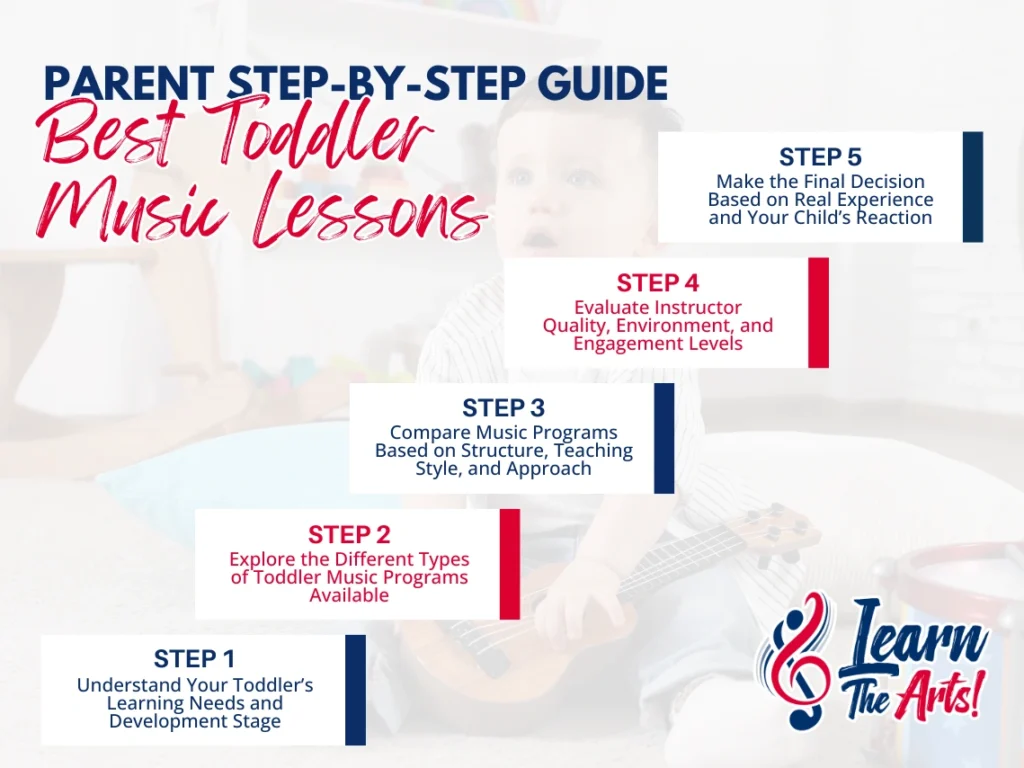
Step 1: Understand Your Toddler’s Learning Needs and Development Stage
Before choosing any music program, it’s important to understand where your toddler is developmentally and how they naturally learn best. At this age, children respond more to play, repetition, and sensory experiences than structured instruction. Many programs in Las Vegas are built around these early learning behaviors to support healthy growth. Observing your child’s reactions to music can help guide your decision.
Focus on developmental readiness, not expectations
At the toddler stage, children are not ready for structured music theory or technical instruction. Instead, they learn best through play, repetition, and sensory engagement. The best toddler music lessons focus on exploration rather than performance, helping children enjoy music in a fun, interactive, and developmentally appropriate way. Setting realistic expectations helps ensure a positive learning experience.
Observe how your child responds to music
Some toddlers naturally move, clap, or vocalize when they hear music, while others may observe quietly at first. Both responses are completely normal and indicate different learning styles. A good program will support both expressive and reserved personalities without pressure.
Match personality with class style
Energetic toddlers may thrive in group-based, movement-heavy classes, while shy children may feel more comfortable in smaller or parent-assisted environments. Matching personality with class structure improves engagement and reduces anxiety. This alignment is one of the most important factors in early success, especially in interactive music lessons where participation, movement, and hands-on activities help children stay engaged and confident.
Step 2: Explore the Different Types of Toddler Music Programs Available
Toddler music programs come in different formats, and each one supports learning in a unique way. Some focus on group interaction, while others include parent participation or hands-on instrument play. Families in Las Vegas can choose from a variety of styles depending on their child’s comfort level and personality. Understanding these options makes it easier to find the right fit.
Group classes vs parent-child classes
Group classes allow toddlers to interact with peers, which helps develop social skills and confidence. Parent-child classes, on the other hand, provide emotional security and shared learning experiences. In Las Vegas, both formats are widely available and serve different developmental needs.
Play-based music learning programs
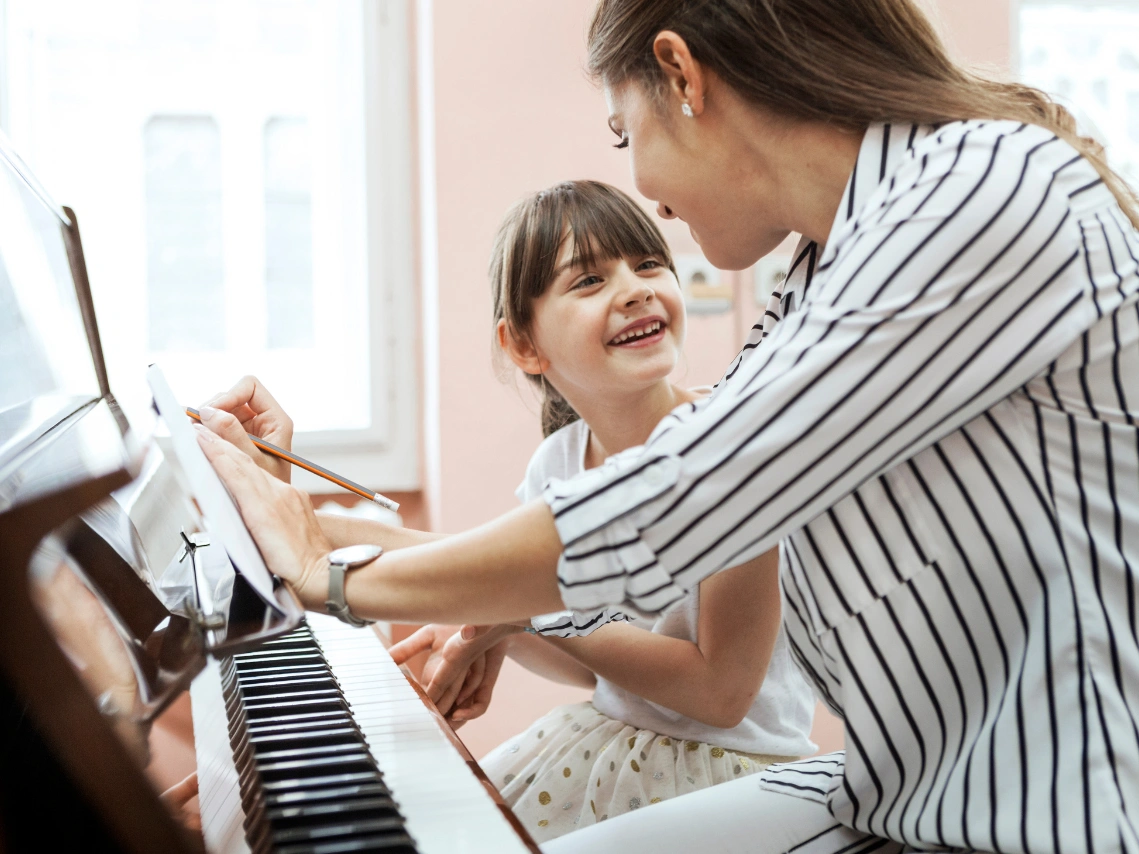
Play-based programs use games, movement, and storytelling to teach musical concepts naturally. Toddlers learn rhythm and sound without realizing they are in a structured learning environment. This approach is highly effective because it aligns with how young children naturally learn, and it can also be adapted into private music lessons for families who prefer more personalized attention and one-on-one guidance.
Early instrument exposure classes
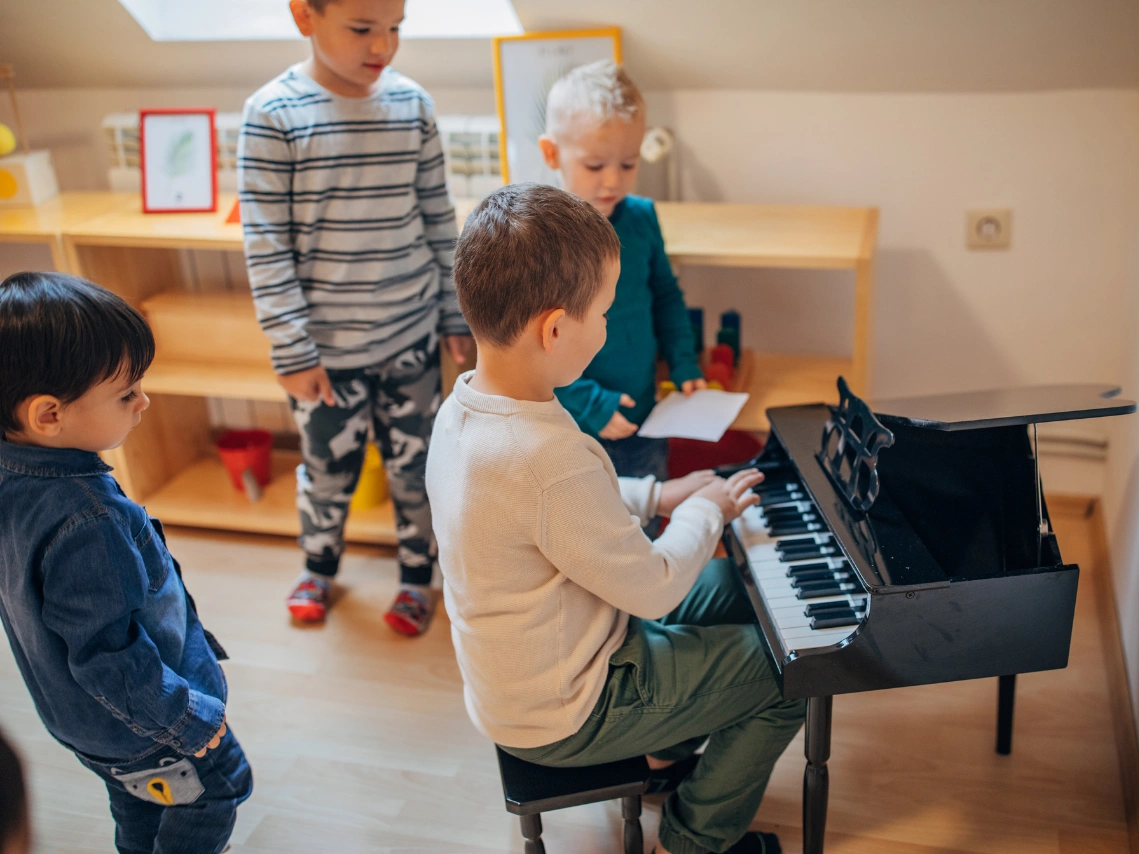
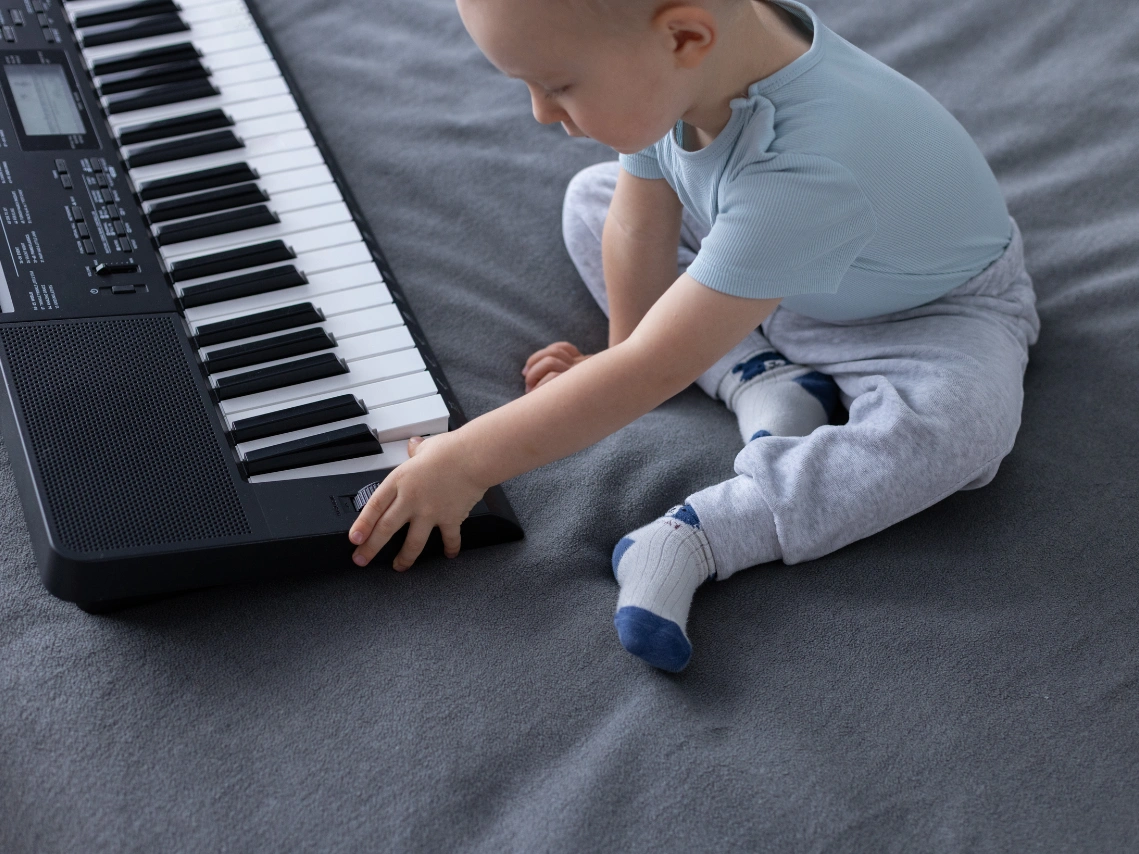
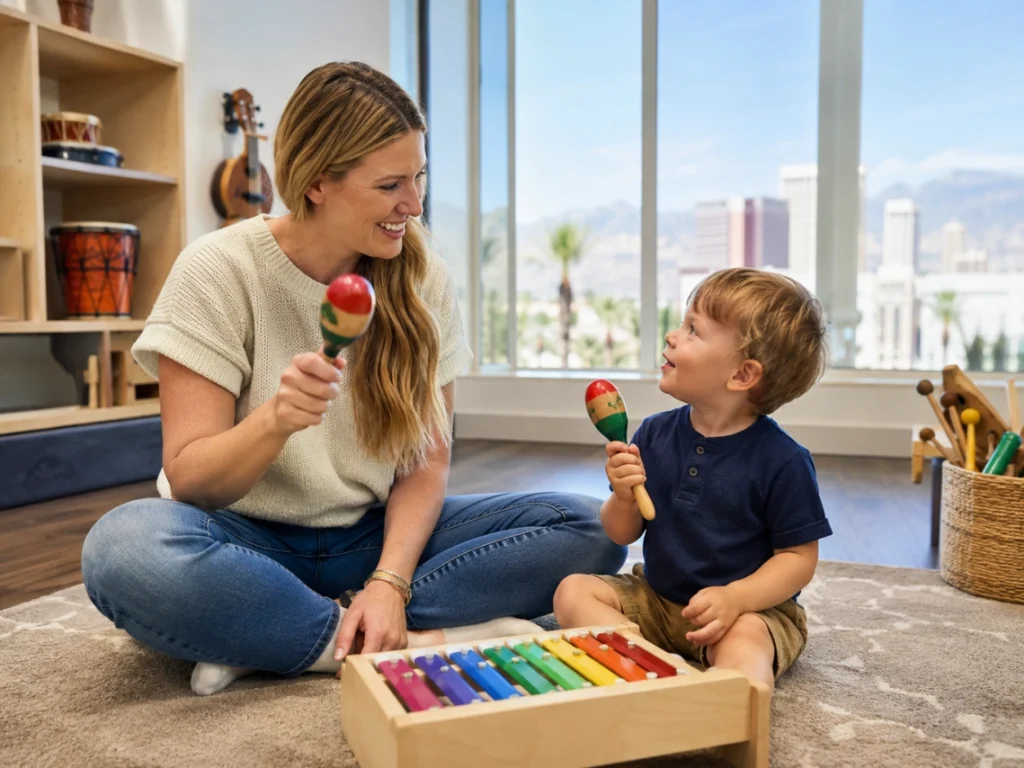
Some programs introduce simple instruments like drums, shakers, or small keyboards. The focus is not on technical skills but on sensory exploration and sound discovery. These experiences help children build early familiarity with musical tools in a fun and stress-free way, which is a key part of effective music lessons for kids designed to support creativity, coordination, and early learning development.
Step 3: Compare Music Programs Based on Structure, Teaching Style, and Approach
Not all music programs follow the same teaching method, so it’s important to look closely at how each class is structured. Some programs are highly routine-based, while others are more flexible and play-driven. In Las Vegas, both structured and creative approaches are commonly used for toddlers. Comparing these styles helps you choose a program that matches your child’s learning needs.
Evaluate class structure and consistency
A strong toddler program follows a predictable routine such as warm-up, activity, movement, and closing. This structure helps toddlers feel secure and understand what to expect for each session. Consistency is key to maintaining engagement and comfort.
Look at flexibility in teaching approach
Toddlers have unpredictable energy levels, so effective programs must be flexible. Instructors should be able to adjust activities based on the group’s attention and mood. Programs that are too rigid may struggle to keep young children engaged, which is why flexibility is often a key feature of the best music lessons for kids starting out, ensuring the experience stays fun, responsive, and developmentally appropriate.
Compare learning philosophies
Some programs focus more on movement and creativity, while others introduce early rhythm and pitch concepts. Neither is wrong, but one may suit your goals better than the other. Choosing the right philosophy ensures alignment with your expectations for early learning.
Step 4: Evaluate Instructor Quality, Environment, and Engagement Levels
The instructor and classroom environment play a major role in your child’s overall experience. A good toddler music teacher understands how to balance learning with fun while keeping children engaged. Many programs in Las Vegas focus on creating safe, welcoming, and interactive spaces. Watching how children respond during class can give you valuable insight into program quality.
Instructor experience with toddlers
Teaching toddlers requires more than musical knowledge—it requires patience, creativity, and understanding of early childhood behavior. A strong instructor knows how to keep children engaged while maintaining a fun environment. Experienced teachers often blend music skills with child development expertise.
Learning environment and safety
The classroom should be safe, welcoming, and designed for movement. Instruments should be soft, colorful, and appropriate for young children. A well-designed environment helps toddlers feel free to explore without fear or restriction.
Engagement and participation levels
One of the clearest indicators of quality is how engaged the children are during class. If toddlers are actively participating, smiling, and responding to music, the program is likely effective. Engagement is more important than structure at this age.
Step 5: Make the Final Decision Based on Real Experience and Your Child’s Reaction
The best way to choose a music program is by observing how your child responds during an actual class. A trial session can help you see whether they feel comfortable, engaged, and excited to participate. Many programs in Las Vegas offer this option to help parents decide with confidence. Your child’s reaction is often the clearest indicator of the right fit.
Try a trial class first
A trial class allows you to see how your child reacts to the environment, instructor, and activities. It also gives your insight into whether the program matches your expectations. Many local music programs offer this option.
Observe your child’s reaction
The most important factor is whether your child enjoys the experience. If they are engaged, curious, and happy, that is a strong sign of a good fit. If they seem overwhelmed or disinterested, it may not be the right program yet.
Consider consistency and convenience
Consistency plays a big role in early learning, so choose a program that fits your schedule and is easy to attend regularly. A convenient location helps maintain routine and long-term participation, which is especially important when building essential skills for beginners in early music education, where steady practice and repeated exposure support stronger development outcomes.
Where to Find Toddler Music Lessons in Las Vegas, NV
Finding the right program is easier when you choose a local music school that understands early childhood development.
At Learn The Arts Las Vegas, toddler music lessons are designed to help young children explore rhythm, movement, and sound in a fun, supportive environment. With experienced instructors, age-appropriate activities, and engaging class formats, toddlers can build confidence, coordination, and early learning skills while enjoying music in a pressure-free setting.
Wrapping Up
Choosing the right music lessons for toddlers in Las Vegas, NV is about more than enrollment—it is about finding a supportive environment where your child can explore, grow, and enjoy learning. At this age, success is defined by curiosity, participation, and emotional comfort rather than technical skills.
By following a structured decision process, parents can confidently select a program that aligns with their child’s needs and encourages a lifelong appreciation for music. If you are exploring toddler music lessons in Las Vegas, focus on programs that prioritize joy, interaction, and development over pressure and performance. If you are ready to get started, consider exploring classes at Learn The Arts Las Vegas, where toddlers can build confidence, creativity, and early learning skills through fun and engaging music experiences.
FAQs
What age can toddlers start music lessons in Las Vegas, NV?
Most programs in Las Vegas accept children as young as 1 to 3 years old. At this stage, lessons focus on sensory play, movement, and rhythm rather than formal instruction. Early exposure helps children become comfortable with sound and musical interaction.
How long should toddler music classes be?
Toddler classes usually last between 30 to 45 minutes. This duration suits their short attention spans and keeps them engaged without fatigue. Programs are designed to maintain high energy and variety throughout.
Do toddlers need prior experience in music classes?
No prior experience is required. These programs are designed for complete beginners and focus on exploration and interaction. Every child is introduced to music in a natural and pressure-free way.
Should parents stay during music lessons?
Yes, especially for younger toddlers. Parent participation helps children feel secure and encourages engagement. Many programs in Las Vegas include parent-child participation as a core structure.
Can music really help my toddler’s development?
Yes, music supports language, coordination, memory, and emotional development. It also improves listening skills and early communication abilities. Music is widely used as part of early childhood learning programs because of these developmental benefits.