

Introduction
Learning music is an exciting journey that opens the door to creativity, discipline, and self-expression. Many beginners feel unsure about where to start, especially when choosing the right instrument or lesson structure. With the right guidance and consistent practice, anyone can develop strong musical skills over time. Music lessons provide a clear path that helps beginners stay focused and motivated.
In this blog, we will explore the essential skills every beginner should learn when starting music lessons. You will discover how technique, posture, and rhythm play a role in building a strong foundation. We will also cover common challenges and practical tips to help you improve faster. Whether you are learning independently or through Learn the Arts music programs, this guide will help you build confidence and enjoy the process.
Why Learning Proper Technique Matters in Music Lessons
Proper technique is one of the most important aspects of learning music. It allows beginners to produce better sound while avoiding unnecessary strain or frustration. Without a strong foundation, it becomes difficult to progress to more advanced skills. Developing good habits early ensures long-term success and enjoyment.
Posture and Its Impact on Performance
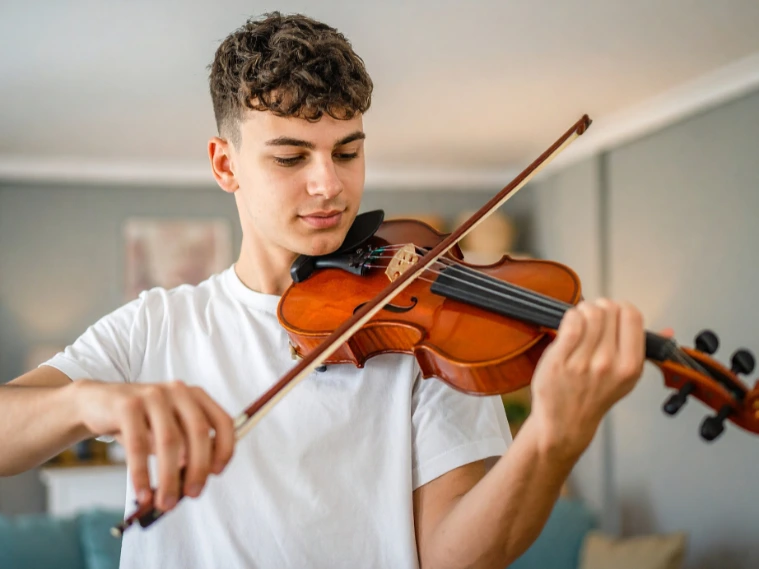
Posture affects both comfort and sound quality when playing an instrument. Sitting or standing with proper alignment allows for better control and smoother movement. Poor posture can create tension, making it harder to perform accurately. Over time, maintaining good posture helps prevent fatigue and supports consistent practice.
Correct Hand Positioning and Coordination
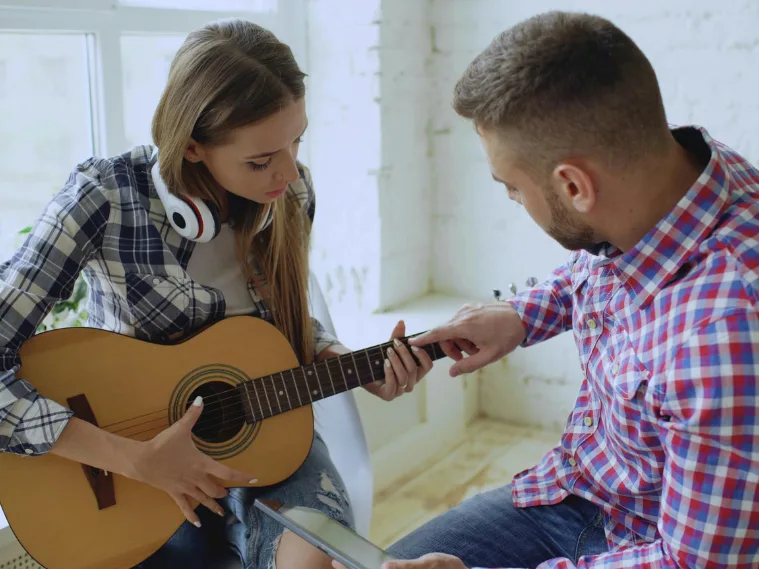
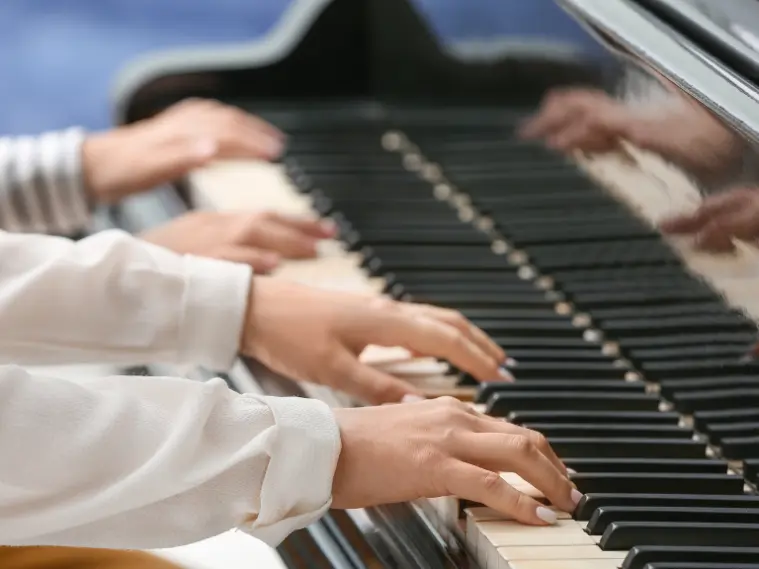
Hand placement is essential for accuracy and control while playing music. Beginners should focus on relaxed and natural movements to avoid stiffness. Proper coordination between both hands takes time but improves with regular practice. Developing this skill early makes learning more advanced techniques much easier.
Basic Techniques That Shape Sound Quality
Each instrument has specific techniques that directly affect tone and clarity. Learning these fundamentals helps beginners produce a clean and consistent sound. Small adjustments in technique can make a significant difference in performance. Practicing slowly and carefully allows students to refine these skills effectively.
Preventing Strain and Injury
Incorrect playing habits can lead to discomfort or even long-term injury. Tension in the hands, shoulders, or back can affect both performance and health. Taking breaks and practicing with proper technique reduces these risks. Building healthy habits early ensures a more sustainable learning experience.
Building Confidence Through Strong Fundamentals
Confidence grows when beginners feel comfortable with their skills. Mastering basic techniques allows students to play more smoothly and with fewer mistakes. This encourages them to take on new challenges and enjoy learning, showing how music lessons shape future musicians. Over time, strong fundamentals make music more enjoyable and rewarding.
A Practical Path to Learning Music on Your Own
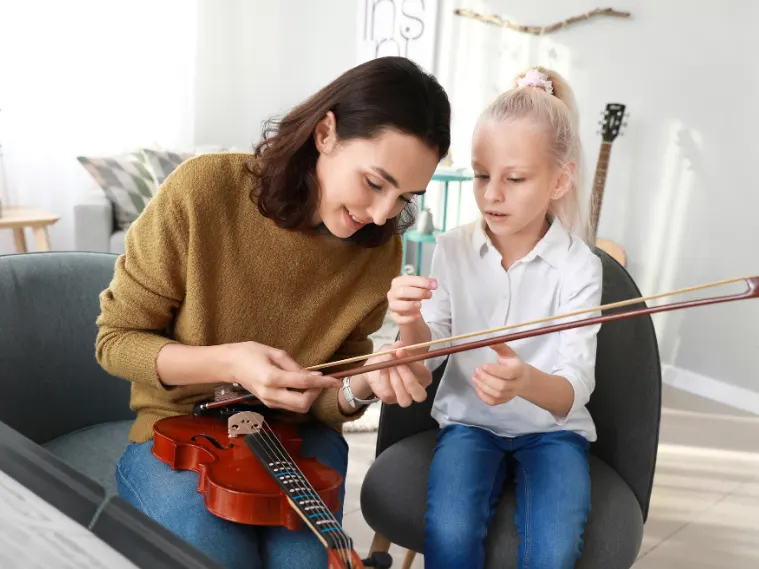
Many beginners start learning music on their own before joining formal or interactive music lessons. Having a clear and structured approach makes self-learning more effective and less overwhelming. By focusing on key steps, students can build a strong foundation at their own pace. These steps also prepare learners for programs like Learn the Arts, where structured guidance enhances progress.
Step 1 – Understanding Your Instrument
Getting familiar with your instrument is the first step toward learning music. Understanding how it works helps you feel more confident and in control. Beginners should explore its parts and how sound is produced. This knowledge makes it easier to follow lessons and avoid common mistakes.
Step 2 – Maintaining Proper Posture
Maintaining proper posture supports both comfort and performance. A relaxed and balanced position allows your body to move naturally while playing. Poor posture can create tension and affect sound quality over time. Practicing correct posture early helps build better habits for long-term success.
Step 3 – Learning Basic Techniques
Basic techniques form the foundation of all musical skills. Beginners should focus on accuracy and control rather than speed. Practicing slowly helps prevent mistakes and builds confidence. Over time, these techniques have become more natural and easier to apply.
Step 4 – Reading Notes and Hand Placement
Learning to read music allows beginners to understand rhythm and melody more effectively. Combining this skill with proper hand placement improves accuracy. It may feel challenging at first, but consistent practice makes it easier. This step is essential for playing a wider range of songs.
Step 5 – Practicing Scales and Simple Songs
Scales help develop coordination and familiarity with notes. They also strengthen muscle memory, making it easier to play smoothly. Beginners should start with simple songs to apply what they have learned. This keeps practicing engaging and builds confidence.
Step 6 – Developing Rhythm and Ear Training
Rhythm ensures that music flows smoothly and stays consistent. Using a metronome helps beginners develop proper timing. Ear training improves the ability to recognize notes and play accurately. Together, these skills enhance overall musical ability.
Common Challenges for Beginner Music Students
Learning music comes with challenges that can feel frustrating at times, especially for beginners and those starting music lessons for young children. Many students struggle with coordination, timing, or technique in the early stages. Recognizing these difficulties helps learners address them more effectively. With patience and consistent practice, these challenges can be overcome.
Difficulty with Coordination
Coordinating different movements can be challenging for beginners. Playing with both hands and combining techniques often takes time to master. Breaking practice into smaller steps makes learning more manageable. Gradual improvement leads to better control and confidence.
Inconsistent Technique
Maintaining consistent techniques is a common struggle for new learners. Small mistakes can affect sound quality and overall performance. Practicing slowly helps reinforce proper habits. Over time, consistency improves with repetition and focus.
Struggles with Timing and Rhythm
Keeping a steady rhythm is essential for playing music correctly. Beginners may rush or slow down without realizing it. Using a metronome or tapping along can improve timing. Consistent rhythm practice leads to smoother and more accurate playing.
Slow Progress and Frustration
Progress may feel slow, especially in the beginning stages. This can lead to frustration and loss of motivation. Setting small goals helps track improvement and stay encouraged. Celebrating progress, even small wins, keeps learning enjoyable.
Lack of Guidance
Self-learning can sometimes feel confusing without proper direction. Beginners may not notice mistakes or know how to fix them. Structured lessons provide valuable feedback and support. Programs like Learn the Arts help students stay on the right track.
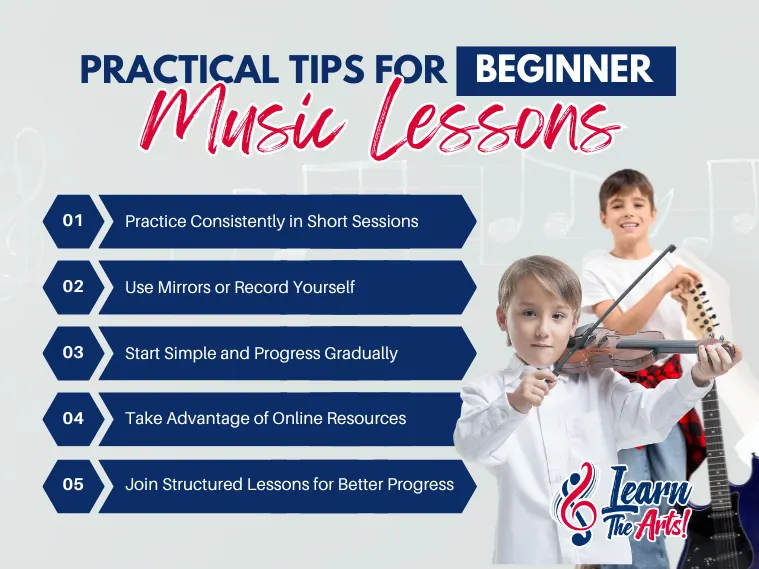
Practical Tips for Beginner Music Lessons
Using effective practice strategies can significantly improve learning speed. Beginners who follow simple and consistent habits often see better results. These tips help make practice more productive and enjoyable. They are useful for both self-learners and students in formal lessons.
Practice Consistently in Short Sessions
Short, daily practice sessions are more effective than long, occasional ones, especially when combined with one-on-one music lessons for guided improvement. Practicing for 15–30 minutes helps build consistency without causing fatigue. Regular practice strengthens muscle memory and improves focus. Over time, this habit leads to steady progress.
Use Mirrors or Record Yourself
Watching or listening to yourself can reveal areas for improvement. Mirrors help check posture and hand positioning during practice. Recording sessions allow you to evaluate your sound and technique. These tools provide helpful feedback for better performance.
Start Simple and Progress Gradually
Starting with simple exercises helps build confidence. Beginners should master basic skills before moving to complex pieces. Gradual progression reduces frustration and improves learning. This approach keeps practice enjoyable and motivating.
Take Advantage of Online Resources
Online tutorials and videos offer additional learning support. They allow beginners to review techniques and practice at their own pace. These resources can reinforce lessons and provide new insights. Combining them with regular practice improves overall progress.
Join Structured Lessons for Better Progress
Structured lessons provide guidance that self-learning cannot be fully replaced. Instructors help correct mistakes and improve their technique more efficiently. Learn the Arts offers beginner-friendly programs designed to support steady growth. These lessons make learning more organized and effective.
The Role of Structured Programs in Learning Music
Guided Learning for Faster Improvement
Structured programs provide a clear learning path for beginners. Lessons are designed to build skills step by step without overwhelming students. This organized approach helps learners stay focused and motivated. As a result, progress becomes more consistent and measurable.
Feedback from Experienced Instructors
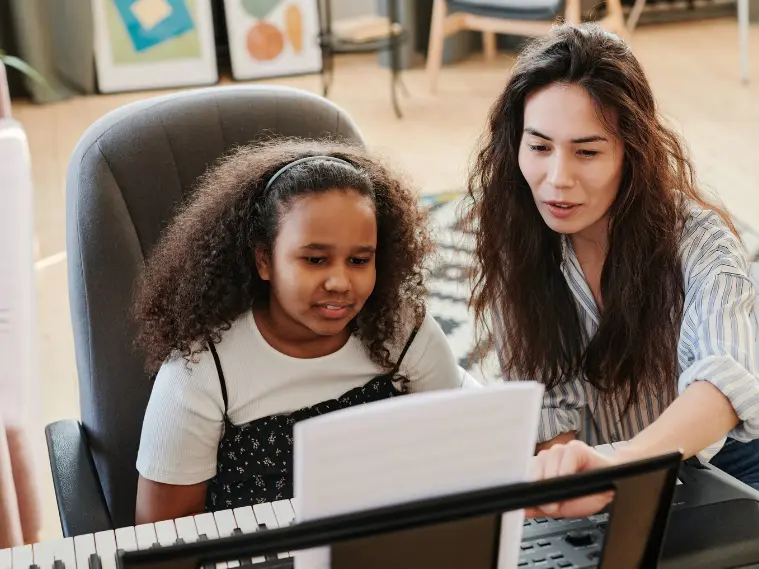
Instructors play a key role in helping students improve their skills. They can quickly identify mistakes and provide helpful corrections. This prevents bad habits from developing over time. Regular feedback also builds confidence and encourages growth.
Motivation and Accountability
Having scheduled lessons helps students stay committed to their goals. It creates a routine that encourages regular practice and discipline. Students are more likely to stay motivated when they have guidance and support. This accountability leads to better long-term results.
Opportunities for Performance and Growth
Structured programs often include opportunities to perform and collaborate. These experiences help students apply what they have learned. Performing builds confidence and reduces nervousness over time. It also makes learning more engaging and rewarding.
Wrapping Up
Learning music is a journey that requires patience, consistency, and the right approach. By focusing on proper technique, posture, and practice habits, beginners can build a strong foundation. Challenges are a natural part of the process, but they can be overcome with dedication. Over time, consistent effort leads to noticeable improvement and greater confidence.
If you are ready to start or improve your musical skills, Learn the Arts offers structured programs designed for beginners. Their group and private lessons provide the guidance and support needed for steady progress. With expert instruction and a supportive environment, students can develop their skills with confidence. Explore Learn the Arts today and take the next step in your musical journey.
FAQs
How often should beginners practice music?
Beginners should practice for 15–30 minutes daily to build consistency. Short sessions help improve focus and prevent fatigue. Regular practice strengthens skills over time. Consistency is more important than long practice sessions.
Do I need prior experience to start music lessons?
No prior experience is required to begin learning music. Beginner programs are designed to teach skills step by step, including options for affordable music lessons that fit different budgets. Anyone can start with the right guidance and dedication. Learning at your own pace makes the process more enjoyable.
Can I learn music by myself?
Yes, self-learning is possible with the right structure and resources. However, guidance from instructors can speed up progress. Combining both methods often leads to better results. Consistency remains the key to improvement.
How long does it take to learn a simple song?
Most beginners can learn a simple song within a few weeks. This depends on practice consistency and understanding of basics. Starting with easy songs helps build confidence. Gradual progress leads to better performance.
What are common mistakes beginners make in music lessons?
Common mistakes include poor posture, inconsistent practice, and rushing techniques. These habits can slow progress and affect performance. Focusing on fundamentals helps avoid these issues. Structured lessons like Learn the Arts provide helpful guidance.