

Introduction
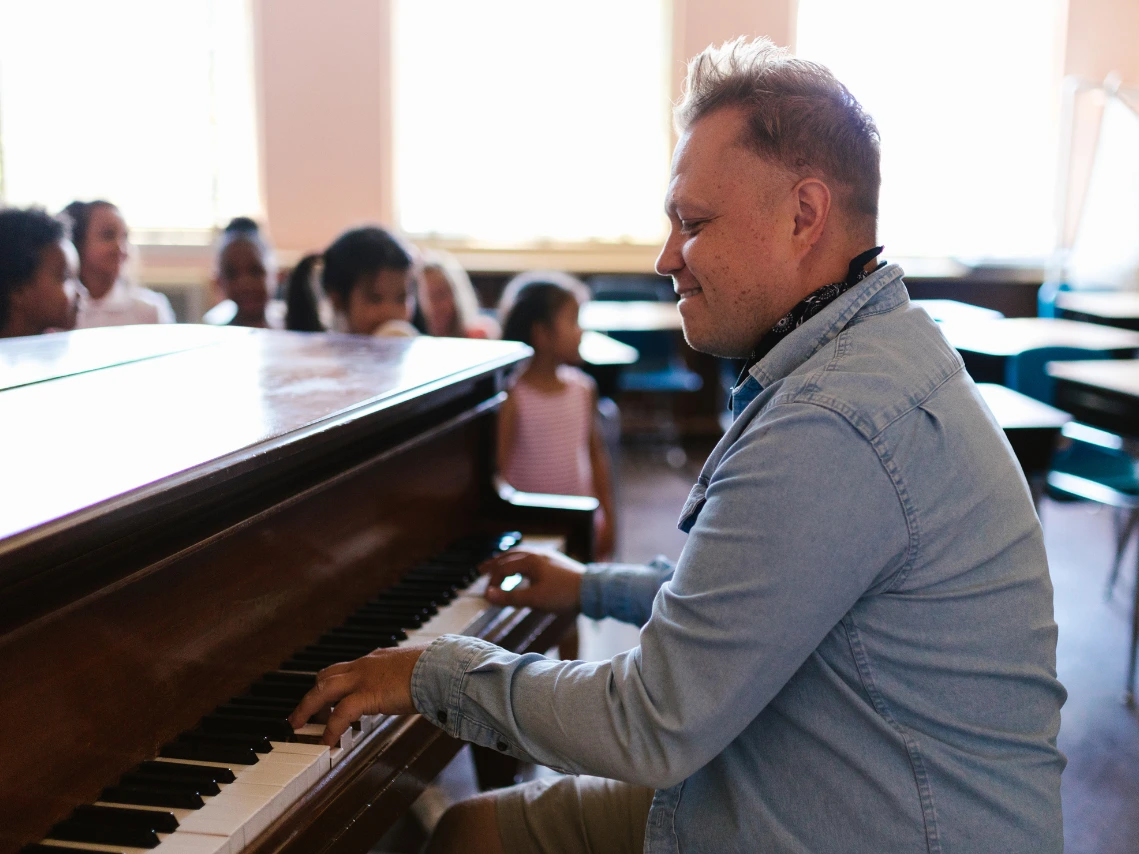
Learning piano is becoming increasingly popular across Nevada, especially in cities like Las Vegas, where families are investing more in music education for children, teens, and even adults. Piano lessons in Las Vegas are often seen as one of the best ways to build coordination, discipline, memory, and overall musical understanding. Beyond learning songs, piano lessons help students develop patience, concentration, and creative expression that can benefit other areas of life. Whether students want beginner piano lessons in Las Vegas or more advanced training, starting with the right instructor makes a significant difference in long-term progress.
With so many private teachers, music schools, and online options available, it can be difficult to know where to start. Every instructor offers a different teaching style, lesson structure, and learning environment, which can impact student motivation and results. Choosing a piano instructor in Las Vegas, NV is more than finding someone who teaches piano—it’s about finding someone who aligns with your goals, personality, and preferred learning pace. In this guide, we’ll walk you through the most important factors to consider so you can make a confident and informed decision.
1. Look for Strong Teaching Experience
Experience matters when it comes to learning piano effectively. An experienced instructor understands how to teach different age groups, skill levels, and learning styles. In Las Vegas, NV, many instructors come from performance backgrounds, which can add valuable real-world insight to lessons. A teacher with experience can quickly identify mistakes and correct them early, helping students build stronger habits from the beginning.
Professional Background and Musical Training
An instructor’s background often reflects the quality of instruction they can provide. Teachers with formal education, certifications, or extensive performance experience may offer additional insight into technique and musical expression. Some instructors may even draw inspiration from the techniques and styles of the greatest piano player in the world, using those influences to help students understand higher levels of artistry and expression. For example, they may break down advanced phrasing, dynamics, or interpretation methods inspired by world-class performers to make it easier for students to learn and apply in their own playing.
Experience Teaching Different Skill Levels
Teaching beginners requires different methods than teaching advanced players. Instructors who work with multiple levels often know how to adapt to lessons more effectively. They are also better at identifying when a student is ready to progress to more challenging techniques or when they need additional reinforcement of foundational skills.
Why Teaching Experience Matters for Faster Progress
Experienced instructors know how to identify weaknesses quickly and create solutions that improve learning efficiency. This often leads to better progress and fewer bad habits. They can also adjust lesson plans in real time to address specific challenges, ensuring that students stay on track and continue building strong fundamentals.
2. Check Their Teaching Style Compatibility
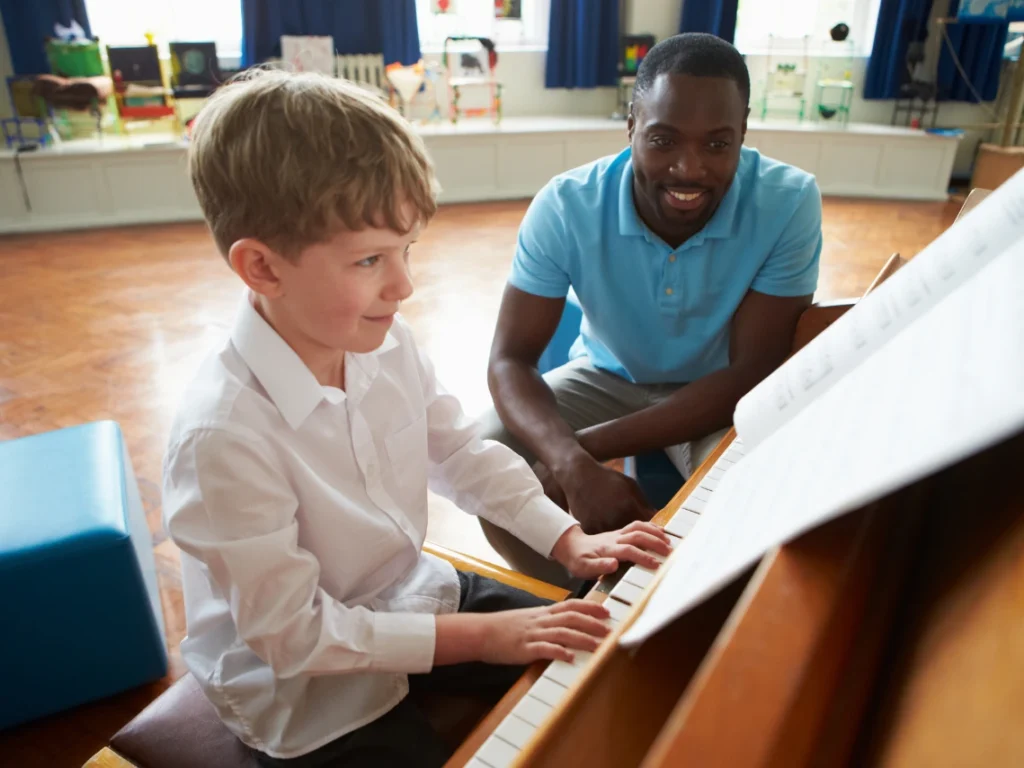
Not every instructor teaches the same way, so it’s important to find one that matches the student’s personality and learning preferences. Some instructors may even incorporate lessons inspired by famous performers to inspire musicians, helping students understand different styles, techniques, and expressions that can shape their own musical identity.
Structured vs. Flexible Teaching Approaches
Some instructors follow a structured curriculum with clear milestones, while others use a more flexible approach. Structured lessons often work best for beginners, while flexible lessons may appeal to experienced students.
Matching Teaching Style to Student Personality
Some students need encouragement and creativity, while others thrive with routine and accountability. Finding a compatible teaching style improves engagement and retention. For example, some learners may benefit from hands-on demonstrations that include how the three pedals on piano work and how they affect tone and expression, while others may prefer a more theory-based explanation. When the teaching style matches the student’s learning preferences, it becomes easier to stay engaged and retain new concepts.
Creating an Enjoyable Learning Experience
Students learn faster when they enjoy lessons. A teaching style that keeps students motivated increases consistency and long-term success. This enjoyment also helps students stay committed during challenging stages of learning, making progress feel more natural and rewarding over time.
3. Evaluate Lesson Structure and Curriculum
A strong piano instructor should have a clear plan for student progression. Lessons should build naturally from basic skills such as hand positioning and simple melodies to more advanced concepts like reading sheet music, music theory, and complex pieces. In Las Vegas, NV, quality programs usually provide a step-by-step curriculum designed to support long-term improvement. A structured learning path keeps students focused and helps prevent confusion during the learning process. Without a clear curriculum, students may struggle to identify progress or understand what skills they should develop next.
Importance of a Step-by-Step Learning Plan
A step-by-step learning plan gives students clear direction and measurable goals throughout their musical journey. Learning piano involves many skills that build upon one another, so skipping important concepts can create gaps in knowledge later. A structured sequence allows students to gradually develop confidence while mastering each concept before moving to the next level, guiding them from first note to first song in a smooth and encouraging way. In Nevada, many experienced instructors use progression-based teaching methods to help students stay motivated and avoid feeling overwhelmed.
How Structured Lessons Improve Progress
Structured lessons help students develop consistency by introducing skills in a logical order. Instead of learning random songs or techniques, students follow a learning path that reinforces previous lessons while introducing new challenges. This organized approach helps improve retention and reduces frustration during difficult concepts. In Las Vegas, NV, students enrolled in structured programs often find it easier to track progress because lessons include clear objectives and milestones.
Building Strong Musical Foundations
Strong foundations are essential for long-term success in piano education. Skills such as rhythm, note reading, finger coordination, posture, and proper hand positioning create the framework for more advanced playing later on. Instructors who prioritize foundational skills help students avoid developing habits that may become difficult to correct. Building these fundamentals early also improves confidence and prepares students for more challenging pieces and musical concepts as they progress.
4. Consider Experience with Your Age Group
Teaching children is very different from teaching adults, so finding an instructor familiar with your age group is important. The way students absorb information, stay focused, and respond to instruction can vary greatly depending on age. A well-matched instructor understands these differences and adjusts their teaching methods accordingly to create a more effective learning experience. In Nevada, many instructors specialize in either youth or adult education, which helps ensure lessons are tailored appropriately. This is especially important for families looking for kids piano lessons in Las Vegas or adults starting piano lessons later in life.
Kids vs. Adult Learners
Children often need more interactive and engaging lessons, while adults may prefer a more goal-focused and structured approach. Kids typically learn best through repetition, games, and visual learning techniques that keep them interested and motivated. Adults, on the other hand, usually benefit from understanding theory and practical application right away so they can connect lessons to personal goals, especially in piano lessons for adults where progress is often tied to specific outcomes like playing favorite songs or improving technique. In Nevada, many instructors adjust their teaching style based on whether they are working with beginners, school-age children, or adult learners.
Age-Specific Teaching Strategies
Different age groups learn differently, and instructors should adapt their communication style and activities accordingly. For younger students, lessons may include short piano exercises, rhythm games, and frequent breaks to maintain focus. For older students, instructors may incorporate more structured practice routines, theory explanations, and goal-based learning. In Las Vegas, NV, experienced teachers often customize lesson plans to match cognitive development and attention span. This personalized approach helps students stay motivated while also improving retention of musical concepts.
Why Age Compatibility Matters
Students often feel more comfortable and confident when taught by someone familiar with their learning needs. When an instructor understands how a student learns best, it reduces frustration and builds trust between the teacher and student. This connection plays a major role in long-term motivation and consistency. Age compatibility also helps prevent students from feeling overwhelmed or under-challenged. As a result, students are more likely to enjoy lessons and continue progressing steadily over time.
5. Ask About Practice Expectations
A good instructor clearly communicates practice expectations outside lessons. Practice is where real improvement happens, and without a clear routine, students may struggle to retain what they learn during lessons. Instructors in Las Vegas, NV often guide students on how to balance practice time with school, work, or other activities. Setting expectations early helps students stay accountable and develop discipline in their learning routine. A strong instructor helps students build a realistic practice routine. Consistency and structure in practice often determine how quickly a student improves.
Creating a Realistic Practice Schedule
Practice routines should fit comfortably within the student’s schedule to encourage consistency. Most instructors recommend short, focused sessions rather than long, irregular practice periods. Even 15–30 minutes a day can lead to noticeable improvement when done consistently. A realistic schedule helps prevent burnout and keeps students motivated to continue learning. In Nevada, instructors often help students design practice plans that align with their personal goals and availability.
Why Consistency Matters in Piano Learning
Short, regular sessions often create better results than long, inconsistent practice periods. Consistency allows muscle memory to develop gradually, which is essential for playing piano smoothly and accurately. It also helps students retain information from week to week, making lessons more effective. In Las Vegas, NV, consistent practice is often emphasized as one of the most important habits for musical growth. Students who practice regularly tend to progress faster and feel more confident in their abilities.
Building Good Practice Habits Early
Developing practice discipline early creates stronger habits and long-term progress. When students establish a routine at the beginning of their learning journey, it becomes easier to stay committed over time. Good habits also reduce frustration because students see steady improvement rather than inconsistent results. Instructors play a key role in helping students build structure and accountability in their practice routines. Over time, these habits support not only musical growth but also discipline in other areas of learning and life.
6. Look for Performance Opportunities
Performance opportunities help students gain confidence and apply their skills in real-world situations. They also give learners something meaningful to work toward, which can improve motivation and consistency during practice. Many music schools in Nevada offer recitals, student showcases, and group performances throughout the year. These events help students experience what it feels like to perform in front of an audience in a supportive environment. Instructors who encourage performance often help students grow faster because they regularly apply what they learn in lessons. Over time, this builds stage presence and reduces performance anxiety.
Benefits of Student Recitals and Showcases
Student recitals and showcases provide a structured goal for students to prepare throughout their learning journey. These events encourage consistent practice because students want to perform their pieces well in front of others. They also help students experience progress in a visible and rewarding way. In Las Vegas, NV, many schools organize seasonal performances that allow students to demonstrate their skills. This creates a sense of accomplishment and pride that reinforces long-term commitment to learning piano.
Building Confidence Through Performance
Performing in front of an audience helps students overcome fear and nervousness over time. Even small performances can significantly improve confidence and stage presence. Students learn how to manage mistakes, stay focused, and continue playing under pressure. In Nevada, instructors often use performance opportunities to prepare students for real-world musical experiences. This helps build emotional resilience and strengthens overall musicianship.
Gaining Real-World Musical Experience
Real-world performance experience teaches skills that cannot always be developed during private lessons. Students learn how to connect with an audience, manage timing, and adapt to different performance environments. These experiences also help students understand how preparation and practice translate into actual results. Over time, this builds a deeper appreciation for music and improves overall musical expression.
7. Check Communication and Feedback Style
Clear communication between instructor and student is essential for steady progress. A good instructor should be able to explain concepts in a way that is easy to understand while also being patient and encouraging. The way feedback is delivered can greatly influence a student’s confidence and willingness to learn. In Las Vegas, NV, strong piano instructors focus on creating a supportive learning environment where students feel comfortable asking questions and making mistakes. Effective communication helps build trust and strengthens the student-teacher relationship.
Constructive Feedback Matters
A good instructor should provide feedback that is encouraging, specific, and actionable. Instead of simply pointing out mistakes, they should explain how to improve and demonstrate correct techniques when needed. This helps students understand not just what went wrong, but also how to fix it. In Nevada, effective piano teachers use constructive criticism to guide students without discouraging them. This approach leads to faster improvement and a more positive learning experience.
Encouraging Student Growth and Confidence
Positive reinforcement helps build confidence and keeps students motivated to continue learning. When students feel supported, they are more willing to take on challenges and push through difficult concepts. Encouragement also helps reduce frustration during the learning process. In Las Vegas, NV, instructors who balance correction with praise often see better long-term results from their students. This creates a healthy learning environment where progress feels achievable and rewarding.
Communication Between Students and Instructors
Strong communication ensures that expectations are clear on both sides. Students should feel comfortable discussing difficulties, ask questions, and share goals with their instructor. Likewise, instructors should be proactive in explaining lesson plans and progress updates. In Nevada, effective communication is often what separates average instruction from high-quality teaching. Over time, good communication leads to stronger understanding, better progress, and a more enjoyable learning experience.
8. Compare Private Lessons vs. Music Schools
Both private instructors and music schools offer valuable benefits, and the best choice often depends on the student’s learning style, goals, and schedule. Some students prefer one-on-one attention, while others thrive in a structured group environment. In Nevada, especially in Las Vegas, both options are widely available and offer high-quality instruction. Understanding the differences helps families make a more informed decision that supports long-term success and enjoyment. It’s important to consider not only convenience but also how each environment impacts motivation, accountability, and progress over time.
Private Instructor Benefits
Private lessons often provide personalized attention and flexible scheduling, making them ideal for students who want to learn at their own pace. In this setting, instructors can focus entirely on the student’s strengths and weaknesses, allowing for faster improvement in specific areas. Students also have more freedom to choose songs and focus on personal goals. In Nevada, private instructors are a popular option for students who prefer a customized learning experience with fewer distractions. This one-on-one environment often helps build strong teacher-student relationships, which can improve motivation and consistency.
Music School Benefits
Music schools in Nevada, especially in Las Vegas, offer structured programs that include group interaction, scheduled progress levels, and performance opportunities. Students benefit from learning alongside peers, which can increase motivation and create a sense of community. These programs often follow a set curriculum that ensures consistent progress and skill development. Music schools also tend to offer additional resources such as recitals, theory classes, and ensemble opportunities. This structured environment is ideal for students who thrive with routine and clear milestones.
Choosing the Best Option for Your Goals
The best choice between private lessons and music schools depends on the student’s personal goals and learning style. Some students may even benefit from combining both approaches for a more balanced experience. In Las Vegas, NV, many families start with one format and adjust as the student needs to evolve. The key is to choose an environment that keeps the student motivated, engaged, and consistently progressing.
9. Ask About Trial Lessons Before Committing
Trial lessons are one of the most effective ways to determine if a piano instructor or music school is the right fit. They give students the opportunity to experience teaching style, communication, and lesson structure before making a long-term commitment. Many piano lessons in Las Vegas offer introductory sessions. This helps reduce uncertainty and ensures that students feel comfortable before enrolling. A trial lesson also provides insight into how well the instructor adapts to different learning needs and personalities.
What to Expect During a Trial Lesson
During a trial lesson, students are usually introduced to basic concepts such as hand positioning, simple exercises, or beginner-friendly pieces. The instructor will often assess skill level and explain how future lessons will be structured. This session also helps students understand the pace and teaching style of the instructor. In Las Vegas, NV, trial lessons are designed to give a realistic preview of what ongoing lessons will feel like. It is an important opportunity to evaluate comfort and compatibility.
Questions to Ask During Introductory Sessions
Students and parents should take advantage of trial lessons by asking key questions about curriculum, expectations, and practice routines. It is helpful to ask how progress is measured and what goals are set for beginners or advanced students. Asking about teaching experience and lesson flexibility can also provide valuable insight. In Nevada, instructors who are transparent and open during this stage are often more reliable in the long-term. These conversations help ensure alignment between student goals and instructor approaches.
Why Trial Lessons Reduce Uncertainty
Trial lessons help remove guesswork from the decision-making process by allowing students to experience the learning environment firsthand. Instead of relying on assumptions, families can directly observe how the instructor teaches and interacts. This often leads to more confident enrollment decisions and fewer mismatches. In Las Vegas, NV, trial lessons are a key step in finding the right instructor because they reveal whether the learning environment feels supportive and effective.
10. Consider Long-Term Learning Goals
Thinking about long-term goals is essential when choosing a piano instructor. Some students want to learn piano as a hobby, while others aim for advanced performance, competitions, or music theory mastery. In Nevada, instructors often adjust their teaching approach based on these goals to ensure students stay on the right path. Clear long-term planning helps create structure and direction, which improves motivation and consistency over time. It also ensures that lessons remain meaningful as students’ progress.
Setting Clear Musical Objectives
Setting clear goals helps students understand what they are working toward in their piano journey. These goals may include learning specific songs, master techniques, or preparing performances. When goals are clearly defined, instructors can create more focused lesson plans. In Las Vegas, NV, goal setting is often encouraged early in the learning process to help students stay motivated. Having direction also makes progress easier to measure and celebrate.
Hobby Learning vs. Advanced Training
Different students have different levels of commitment, and lessons should reflect that. Hobby learners may focus on enjoyment and basic skills, while advanced students may pursue technical mastery and music theory. In Nevada, many instructors are experienced in adapting lessons based on student ambition. Understanding this difference helps ensure that expectations are realistic and aligned with the students’ goals.
Planning for Long-Term Growth and Success
Long-term success in piano learning comes from consistency, structured instruction, and clear goals. Students who plan ahead are more likely to stay motivated and continue improving over time. Instructors play a key role in guiding this growth by adjusting lesson difficulty and introducing new challenges when appropriate. In Las Vegas, NV, strong programs emphasize continuous development to help students build lasting musical skills and confidence.

Where to Find Piano Lessons in Las Vegas, NV
Finding the right piano instructor becomes much easier when you choose a structured local music school. Students looking for piano lessons in Las Vegas, NV often benefit from programs that combine experienced instructors, a clear curriculum, and performance opportunities.
At Learn The Arts Las Vegas, students can take beginner to advanced piano lessons in a supportive and structured environment. Whether you’re looking for private piano lessons in Las Vegas, kids piano classes, or adult piano lessons, having a consistent program helps build confidence and long-term progress.
Many families from Las Vegas choose structured music programs that offer personalized instruction, flexible scheduling, and opportunities to perform. This type of environment helps students stay motivated and makes learning piano more enjoyable and rewarding over time.
Wrapping Up
Choosing the right piano instructor in Nevada, especially in Las Vegas, can make a significant difference in a student’s musical journey. The right teacher provides structure, encouragement, and the right level of challenge to help students grow confidently and consistently. From teaching style to experience and communication, every factor plays a role in shaping the learning experience.
Before making a decision, take time to explore different instructors, attend trial lessons, and evaluate how well their approach matches your goals. A thoughtful choice leads to better progress and a more enjoyable learning experience.
If you’re looking for structured and beginner-friendly piano lessons in Las Vegas, Learn The Arts Las Vegas offers programs designed to help students build confidence, technique, and long-term musical skills. Starting with a trial lesson is a great way to find the right fit and begin your musical journey.
FAQs
How do I know if a piano instructor is right for me?
A good piano instructor should match your learning style, goals, and experience level. Trial lessons are often the best way to evaluate communication style, teaching approach, and lesson structure. Compatibility plays a major role in long-term success and motivation.
How many piano lessons should beginners take each week?
Most beginners benefit from one lesson per week combined with consistent practice at home. Weekly lessons provide enough structure while allowing time to review and practice new skills. More frequent lessons may benefit students with advanced goals.
Are online piano lessons as effective as in-person lessons?
Online lessons can be effective for motivated students who prefer flexibility. In-person lessons often provide more direct feedback and hands-on guidance. The best option depends on the learning style, schedule, and personal preference.
What should I bring to my first piano lesson?
Students should bring any required books, a notebook for lesson notes, and a willingness to learn. Some instructors also recommend having access to a piano or keyboard at home for practice. Preparation helps students feel more comfortable and confident.
How long does it take to learn piano?
Learning piano varies depending on practice habits, lesson frequency, and goals. Beginners often see noticeable improvement within a few months, while advanced skills can take years to develop. Consistency and quality instruction have the biggest impact on progress.