

Introduction
Finding the right music program for your child can make all the difference in their learning journey. Local music schools not only provide high-quality instruction but also create a sense of community and connection. At Learn the Arts, we understand that parents value convenience, trust, and personalized attention—qualities that local programs naturally offer.
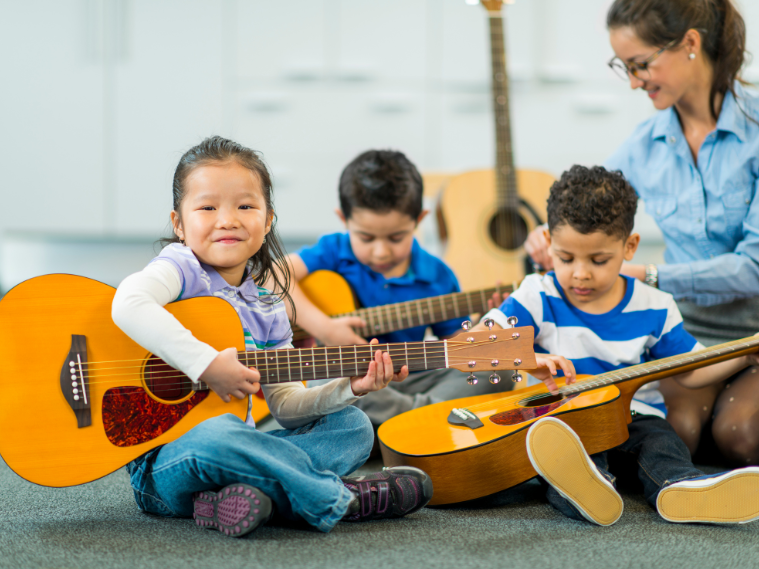
Local instruction helps children build confidence while learning in a familiar environment close to home. With passionate music teachers and interactive programs, kids can explore their musical talents, practice reading sheet music, and develop a strong understanding of music theory in a fun and supportive setting.
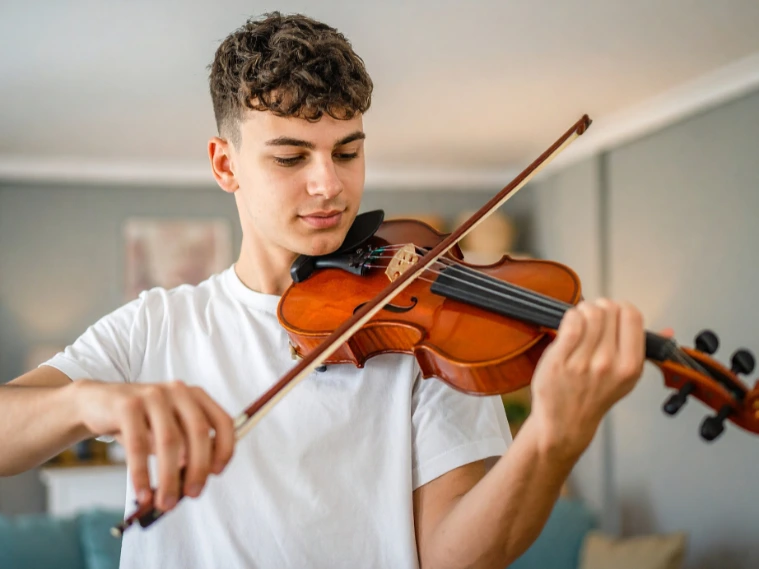
Children can also explore different instruments and musical styles, from piano, guitar, violin, and drums to voice, woodwinds, and bass guitar. Whether your child is a beginner or already loves playing an instrument, local programs can make music education both accessible and enjoyable.
Why Enroll Your Child in Local Music Programs
Music is more than just a creative outlet — it’s a powerful tool that shapes a child’s emotional, social, and intellectual development.
Enrolling your child in a local program, whether learning a musical instrument or participating in group instruction, provides an enriching environment where they can grow both musically and personally.
Unlike fully independent online study, local instruction offers real-time feedback, structured guidance, and hands-on musical training that helps children build confidence and skill.
Building Confidence Through Hands-On Learning
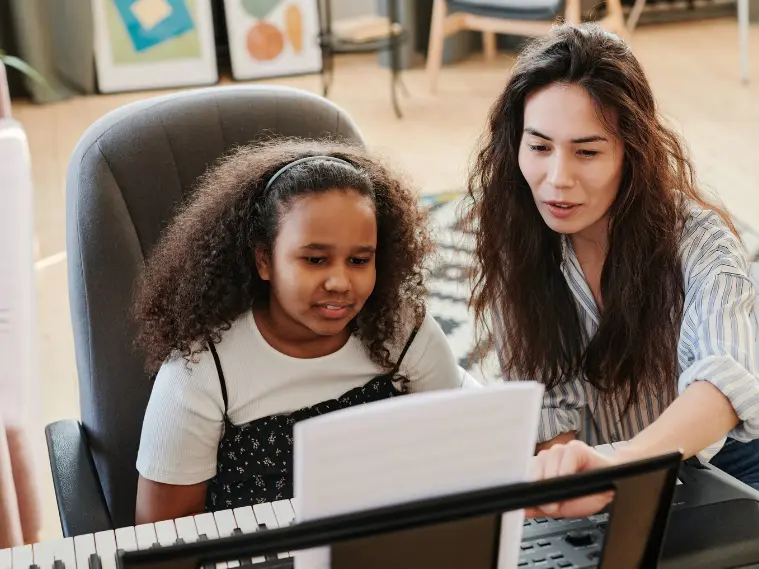
Children gain confidence when they can see and feel their progress. Local instruction allows kids to work directly with instructors who guide them step by step, offering encouragement and feedback in real time.
Through master singing lessons, students can refine vocal techniques, build confidence, and feel proud of their achievements as they continue to improve.
Children interested in singing may also benefit from voice lessons that introduce healthy breathing, pitch control, vocal warm-ups, and performance basics.
Developing Discipline and Focus
Music study teaches children valuable life skills like patience and concentration.
Regular practice routines help them develop self-discipline, which can benefit other areas of their education.
Through consistent effort and structured learning, kids discover the rewards of hard work and persistence.
Encouraging Social Interaction and Teamwork
Local classes often include group activities that help children build friendships and communication skills.
Learning alongside peers fosters teamwork and collaboration, making instruction more dynamic and enjoyable.
Students may participate in group rehearsals, duets, small ensembles, or other collaborative activities. These experiences help children listen to one another, follow musical cues, and support their classmates.
Kids not only learn music concepts and explore different musical styles, but also how to work together.
Benefits of Choosing Local Music Schools
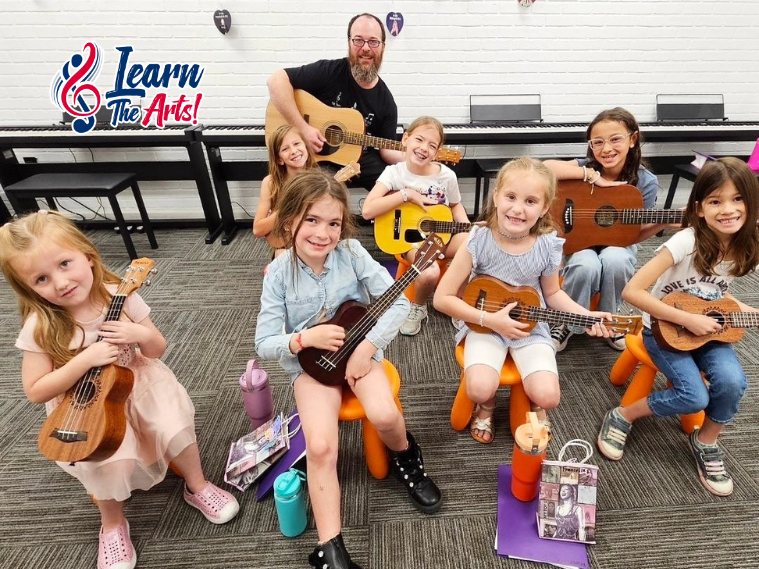
Children gain confidence when they can see and feel their progress. Local schools allow kids to work directly with instructors who guide them step by step, offering encouragement and feedback in real time.
As they improve, students feel proud of their achievements and motivated to keep going.
Convenient Locations for Busy Families
One of the biggest advantages of local music schools is accessibility.
Parents save time and reduce travel stress by choosing nearby programs. Convenient locations make it easier to stay consistent with instruction and maintain a regular learning schedule.
Families can also compare local schools with online music lessons or hybrid options when they need additional flexibility.
Stronger Community Connections
Enrolling in a local school helps families become part of a creative community.
Kids meet others who share their interests, and parents connect with fellow families who value the arts.
These relationships can lead to friendships, collaborations, and a stronger support system for your child’s growth.
Personalized Learning with Smaller Class Sizes
Many local schools keep class sizes small to give each child the attention they deserve.
This allows instructors to tailor instruction to individual learning styles and pace.
For students who benefit from focused one-on-one guidance, private music lessons can provide an even more personalized experience.
At Learn the Arts, we believe that individualized attention builds confidence and helps every child succeed.
Opportunities for Local Recitals and Performances
Performing in local recitals gives kids a sense of pride and accomplishment.
These events provide real-world experience in front of supportive audiences, helping students overcome stage fright and gain performance skills.
Live recitals, showcases, and other performance opportunities allow children to celebrate progress and apply what they have learned.
It’s a wonderful way to share music with the community and put into practice helpful tips for singing lessons learned along the way.
Finding the Best Music School in Las Vegas for Your Child
Finding the right music school in Las Vegas helps set the foundation for your child’s musical growth.
The best programs combine expert teaching, a fun learning atmosphere, and opportunities to perform.
With so many local options, parents can compare schools based on teaching approach, instruments offered, class sizes, safety, and scheduling.
Research Local Music Academies and Community Centers
Start your search by listing nearby schools and community programs.
Look for programs offering:
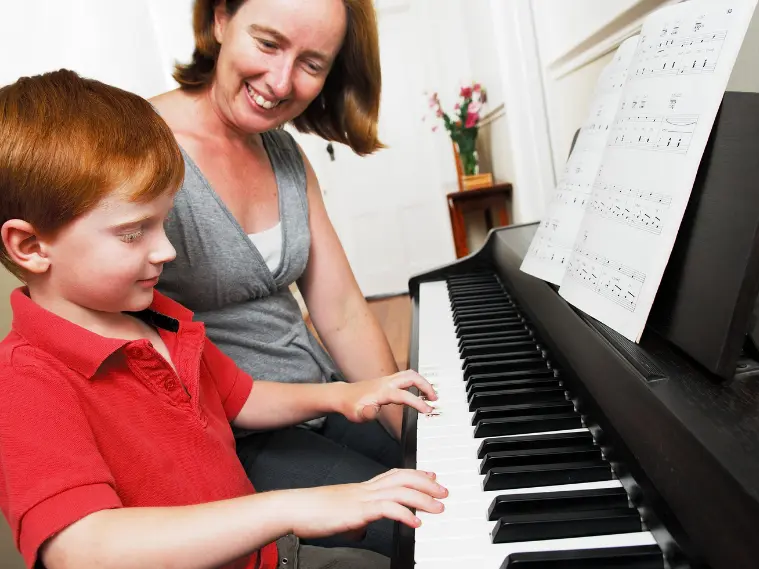
- Keyboard and piano lessons
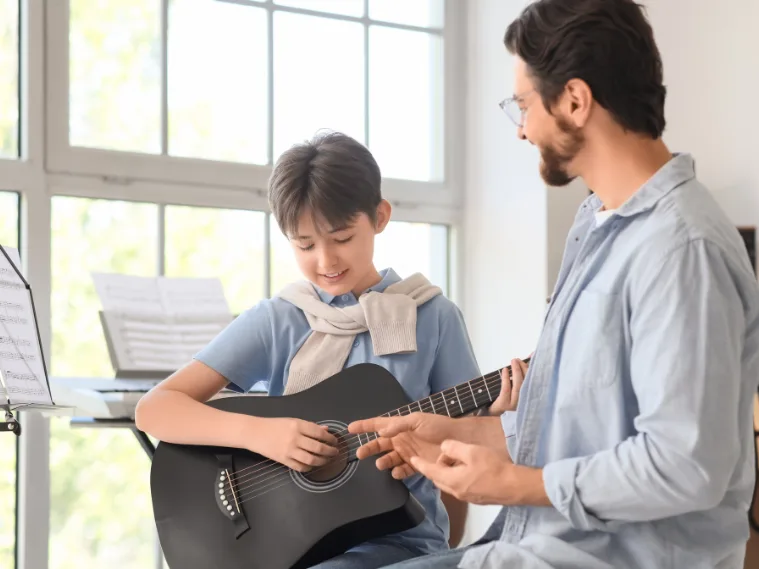
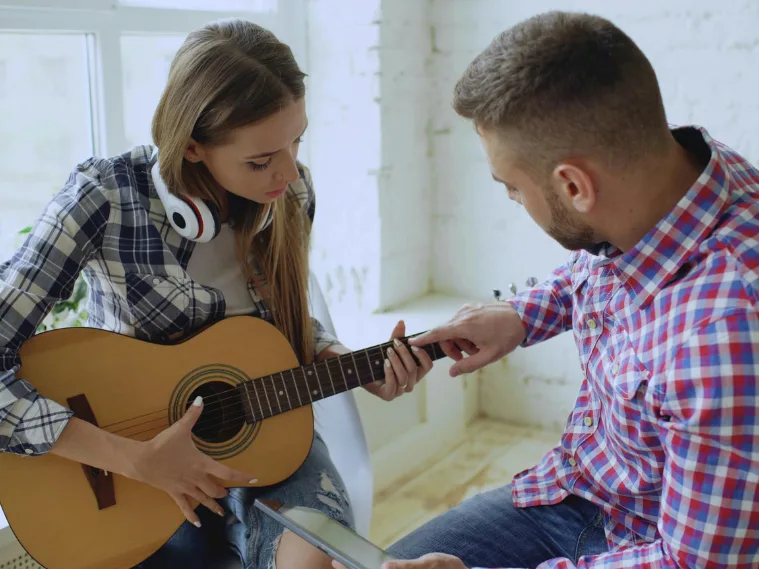
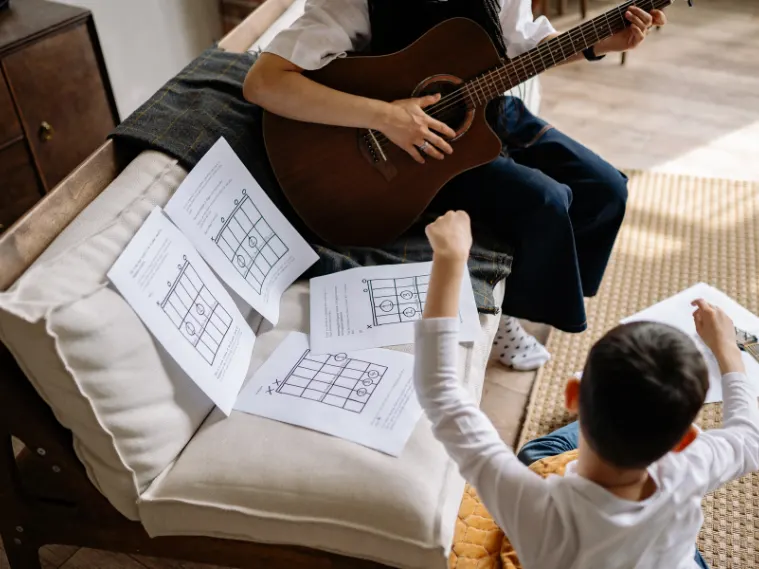
- Guitar lessons
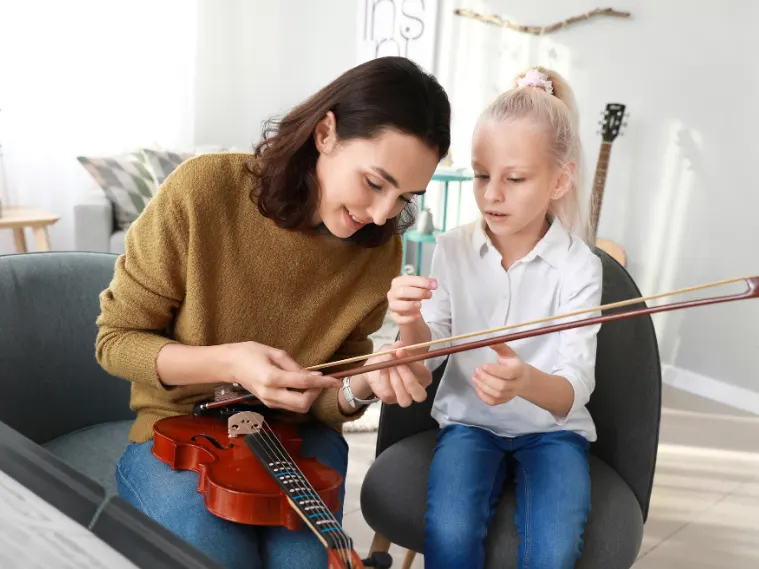
- Violin lessons
- Drum lessons
- Voice lessons
- Bass guitar
- Woodwind lessons
- Group and private instruction
Some schools may also offer string ensembles, group rehearsals, performance programs, or seasonal workshops.
Doing a little research helps you find a program that matches your child’s interests.
Explore Reviews and Testimonials from Other Parents
Reading reviews is a great way to learn from other families’ experiences.
Look for feedback on teaching quality, communication, and the overall learning environment.
Pay special attention to comments about expert instructors, student engagement, and whether teachers adapt to different learning styles.
Compare Lesson Formats — Group, Private, or Hybrid
Different formats work for different learners.
Some kids thrive in group settings, while others prefer one-on-one attention.
Comparing options—like private lessons, group instruction, hybrid programs, or online music lessons—helps you choose the right fit for your child’s personality and goals.
Schedule a Trial Lesson Before Enrolling
Many schools offer trial lessons, allowing you to experience their teaching style firsthand.
It’s a great opportunity to see how your child responds to the instructor and environment.
A positive trial experience can confirm that you’ve found the right place.
Check the School’s Safety Policies and Teaching Approach
Before enrolling, review the school’s safety guidelines and teaching methods.
Make sure classrooms are secure, well-equipped, and child friendly.
At Learn the Arts, we prioritize a safe, inclusive, and supportive space where kids can thrive.
Practical Tips for Parents Before and After Enrolling
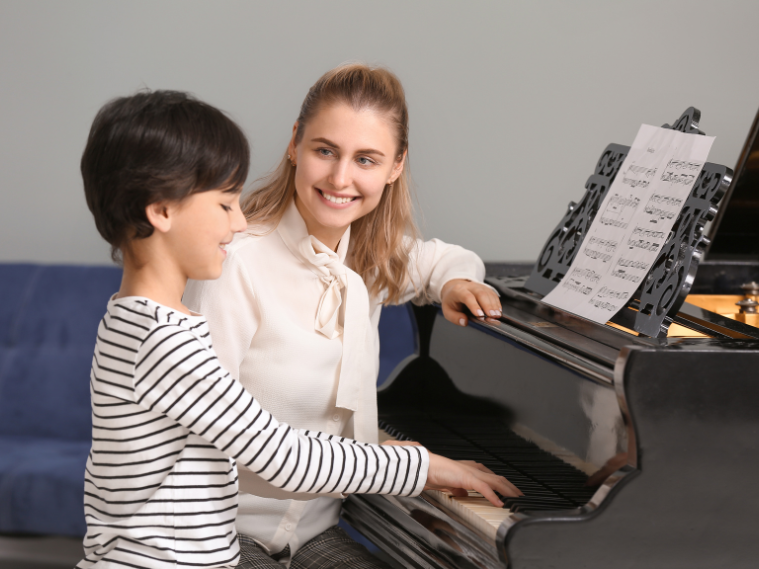
Parents play a huge role in helping children succeed in their musical journey.
Staying involved and supportive makes learning more meaningful and enjoyable for kids.
These simple tips can help you guide, motivate, and celebrate your child’s progress.
Visit the School to Observe a Class in Action
Before signing up, take the time to visit the school and watch a class.
Observing firsthand helps you see how teachers interact with students and maintain engagement.
It also gives your child a preview of what to expect.
Set Realistic Goals with Your Child’s Instructor
Work with your child’s teacher to set achievable learning goals.
Clear expectations help students stay motivated and track their progress.
It’s also important to choose the right vocal coach who understands your child’s learning style and can guide them with patience and encouragement.
Goals might include learning an easy song, improving rhythm, building stronger technique, or preparing for a recital.
For students who dream of becoming a professional musician, goals can become more advanced over time, but beginners benefit most from small, achievable milestones.
Maintain a Consistent Practice Routine at Home
Consistency is key to progress.
Encourage your child to practice a little each day, even if it’s only for a few minutes.
Turning practice into a daily habit helps them stay focused and build strong musical foundations.
You can also include music recommendations for toddlers to keep practice time fun and engaging with songs they love to sing and move along to.
Encourage Confidence Through Small Performances
Invite your child to perform for family members or friends.
These small, informal performances boost confidence and make learning more enjoyable.
They can also help children prepare for larger opportunities such as live recitals, school performances, or ensemble events.
Track Progress and Provide Positive Reinforcement
Keep track of your child’s improvements through photos, videos, or a simple progress chart.
Praise their dedication and effort, not just the results.
Positive reinforcement helps children stay motivated and proud of their growth.
Stay Involved — Attend Recitals and Give Feedback
Show your support by attending your child’s recitals and giving encouraging feedback after each performance.
Parental involvement shows kids that their hard work is valued.
Being an active part of their musical journey helps strengthen their motivation and love for learning.
Exploring Different Instruments and Musical Paths
One advantage of enrolling at a local school is that children can explore multiple instruments before deciding what interests them most.
A child may begin with keyboard and piano lessons, then become curious about guitar lessons or bass guitar.
Another student may prefer violin lessons, drum lessons, voice lessons, or woodwind lessons.
As students grow, they can also explore different musical styles.
A child interested in classical music might eventually want to perform with a Symphony orchestra or string ensemble, while another may prefer rock, jazz, pop, or contemporary music.
Some students may also become interested in music production, songwriting, or technology as they gain experience.
These different paths are all part of a well-rounded musical education.
Why Choose Learn the Arts for Your Child’s Music Education
Choosing the right school can make all the difference in your child’s learning experience.
At Learn the Arts, we focus on creating instruction that is fun, engaging, and tailored to each child’s abilities.
Our goal is to help every young musician grow with confidence while developing a lifelong love for music.
Local Programs Designed for Young Learners
Learn the Arts offers local programs specifically created for kids.
Our curriculum blends fun and structure, helping children stay engaged while mastering essential skills.
Every program is thoughtfully designed to nurture curiosity and confidence.
Skilled and Passionate Music Instructors
Our instructors are experienced musicians who love teaching children.
They use creative and interactive methods to make every session enjoyable and productive.
With patience and enthusiasm, our music teachers help students develop technique, musicianship, and confidence.
Affordable and Flexible Lesson Options
We believe that every child deserves access to quality instruction.
Learn the Arts provides flexible scheduling and affordable options to fit your family’s needs.
Whether you prefer private lessons, group programs, or a hybrid format, our programs are built to accommodate busy lifestyles.
A Supportive Environment That Inspires Growth
At Learn the Arts, we create a nurturing learning environment where every child feels encouraged to learn and express themselves.
Our programs promote both skill development and self-confidence.
Kids leave each class feeling inspired, accomplished, and excited to keep playing.
Wrapping Up
Enrolling your child in local music lessons opens the door to creativity, discipline, and joy.
With the right school and supportive teachers, kids develop lifelong skills while building confidence in their abilities.
Local programs also make learning convenient, personal, and community driven.
At Learn the Arts, we’re proud to offer programs that blend fun with meaningful progress.
Our mission is to make high-quality instruction accessible and inspiring for every child.
Through hands-on learning, supportive music teachers, and performance opportunities, we help students discover their talent and love for music close to home.
FAQs
How do I find reliable local music programs for kids?
Start by searching for music schools or community centers in your area and checking their reviews.
Ask other parents for recommendations and visit schools to get a feel for their teaching approach.
Look for experienced music teachers, safe classrooms, flexible scheduling, and programs that match your child’s interests.
What age is best to start music lessons?
Many children can begin exploring music between ages four and six, but readiness depends on their interest, attention span, and the type of program.
Early exposure can help kids develop rhythm, coordination, listening, and confidence.
How often should children take lessons?
Weekly instruction is ideal for many students because it allows steady progress without overwhelming them.
Consistent practice between sessions helps reinforce what they learn.
The instructor can recommend the best schedule based on your child’s goals and learning pace.
Are group classes better than private lessons?
Both formats have unique benefits.
Group classes encourage teamwork and social learning, while private lessons offer one-on-one attention and personalized pacing.
The right choice depends on your child’s personality, goals, and preferred learning style.
Does Learn the Arts offer in-person classes for kids?
Yes. We offer in-person programs at local studios designed to be safe, fun, and welcoming for young learners.
Families can also explore online and hybrid options for added flexibility and convenience.