

Introduction
Jazz dance is not a single style — it is a rich and constantly evolving family of movement traditions that spans nearly a century of artistic development, cultural influence, and creative reinvention. From the syncopated footwork of classic theatrical jazz and the high-energy athleticism of hip-hop jazz, to the lyrical emotional depth of contemporary jazz and the showbiz glamour of Broadway-style jazz, the world of jazz dance is far more varied and expansive than most beginners realize when they first walk through a studio door. Understanding the different styles, techniques, and levels within jazz dance helps you choose the right class, set the right expectations, and get far more out of every lesson from your very first session. This comprehensive guide breaks down the full landscape of jazz dance — what each major style involves, which techniques define the art form at every level, and exactly what students can expect as they progress from complete beginner all the way through to advanced training.
The Major Styles of Jazz Dance You Should Know
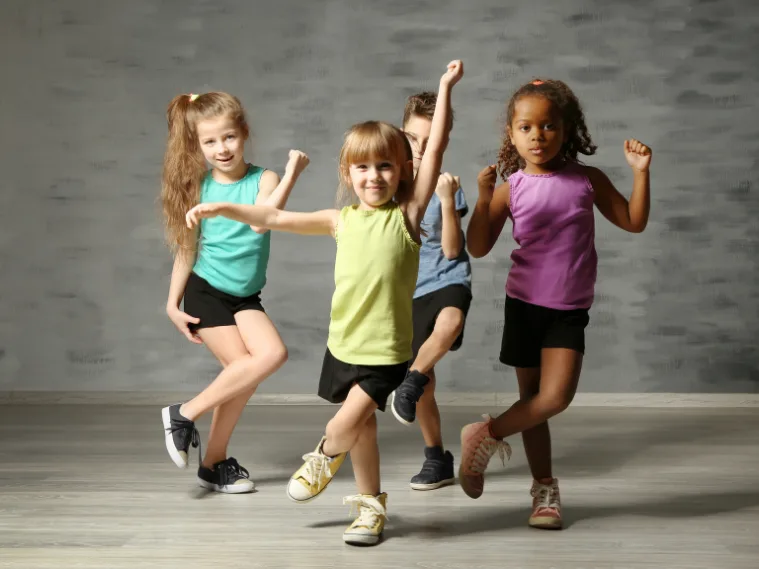
Jazz dance has branched into several distinct styles over the decades, each with its own feel, influence, and technical demands.
Traditional Jazz is the foundation — rooted in African American vernacular movement and theatrical dance, emphasizing syncopation, grounded movement, and dynamic physical energy.
Broadway Jazz is the polished, expressive style seen in stage musicals — technically demanding and built around storytelling, showmanship, and clear performance quality.
Contemporary Jazz blends classical jazz technique with modern and contemporary influences, prioritizing fluid and nuanced movement over rigid structure.
Lyrical Jazz sits at the intersection of jazz and lyrical dance — movement that interprets the emotion and narrative of music rather than just its rhythm.
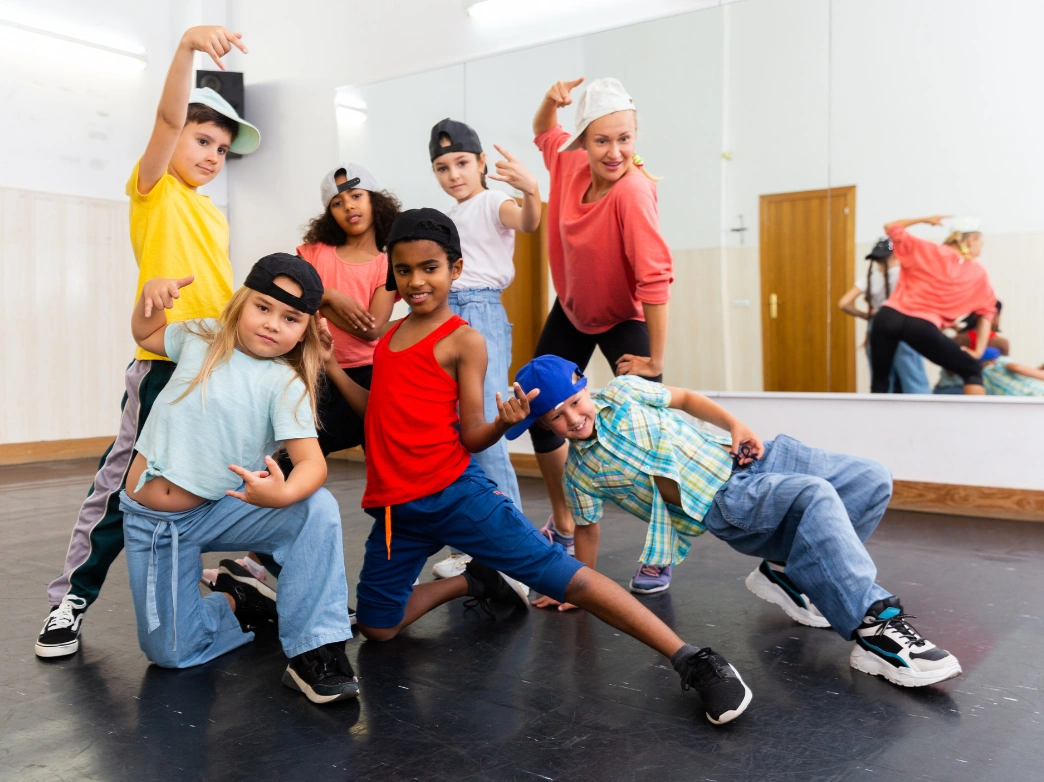
Hip-Hop Jazz fuses the street-based energy of hip-hop with the structure of jazz training, producing a high-energy commercial hybrid that has become increasingly popular in studios everywhere.
Commercial Jazz is the style seen in music videos, film, and live concert performances — clean, versatile, and designed to read clearly on camera.
Jazz Funk combines jazz movement with funk musicality, emphasizing groove, personality, and raw individual style over classical precision.
The Core Techniques That Define Jazz Dance at Every Level
Isolations
Isolations — the ability to move one part of the body independently while everything else stays still — are foundational to jazz training. Head isolations, shoulder rolls, rib shifts, and hip circles are introduced in beginner classes and refined throughout a dancer’s entire training. Clean, controlled isolations are one of the clearest markers of a well-trained jazz dancer at any level.
Jazz Walks and Locomotion
The jazz walk — a grounded, weighted, rhythmically intentional way of traveling across the floor — is one of the art form’s most fundamental movement patterns. Learning to move through space with intention and musicality is central to jazz training from the first beginner class through advanced performance work.
Turns
Pirouettes, jazz turns, and fouettés are a core feature of jazz training. Beginners work on single turns with correct spotting technique, while intermediate and advanced students develop multiple rotation combinations that require both strength and spatial awareness to execute cleanly.
Leaps and Jumps
Grand jetés, stag leaps, and jump combinations develop power, elevation, and air awareness — physical skills that build steadily over months of consistent training. Beginners work on low-impact preparation while advanced students build toward extended combinations with directional changes and stylistic embellishments.
What Beginner Jazz Dance Lessons Focus On
The Warm-Up and Body Conditioning Component
Every jazz class begins with a full-body warm-up that raises the heart rate, loosens the major muscle groups, and prepares the body for controlled, powerful movement. Core strengthening, hip flexor work, and spinal mobility are built into most jazz warm-ups because these areas carry the bulk of the physical demands that follow in the main body of class.
Learning to Count Music and Move on the Beat
Musical timing is a skill that is actively taught in jazz class — not assumed. Beginner students learn to count in eight-count phrases, identify the beat, and anchor their movement to the music rather than around it. This foundational skill carries into every other style of dance a student ever pursues.
Introduction to Turns and Spotting
Spotting — fixing the eyes on a single point while the body rotates — is introduced in the earliest beginner classes because it prevents dizziness and is essential for safe, controlled turning. Students who learn to spot correctly from the start build a technical habit that makes every more complex turn combination significantly easier to develop later on.
How Jazz Dance Technique Overlaps With Other Styles
The Ballet Foundation That Strengthens Jazz
Basic ballet knowledge — barre work, turnout, and alignment — makes jazz dancers noticeably stronger and more technically secure. Many jazz programs incorporate elements of ballet vocabulary for exactly this reason, and students who cross-train in both styles develop a precision and physical control that jazz training alone doesn’t always produce on its own.
How Hip-Hop Influences Contemporary Jazz
Contemporary jazz has absorbed significant hip-hop influence over the past two decades — particularly in the grounded quality of movement, the emphasis on personal style, and the rhythmic complexity of the musicality. Understanding those roots helps students approach modern jazz styles with the right physical and rhythmic intention from the beginning.
Jazz Dance Levels Explained
What Defines a True Beginner Level
A true beginner is anyone starting without prior formal jazz training — regardless of age or fitness. Beginner classes assume no knowledge of dance vocabulary or technique and build all foundational skills from scratch. Most programs place students through a brief informal assessment before assigning a class level to make sure every student starts in the right environment for their current ability.
When You Are Ready to Move Up
The clearest signals that a student is ready to move from beginner to intermediate are consistent execution of basic combinations without hesitation, comfort with eight-count phrasing, and the ability to retain material across multiple weeks. Most students who attend class weekly and practice basic technique at home reach this point within six months to a year.
How Long Does It Take to Become a Proficient Jazz Dancer?
Most students reach a solid intermediate level within one to two years of consistent weekly training. The pace varies depending on prior movement experience, frequency of attendance, and how actively a student reinforces technique outside of class.
The students who progress fastest are not always the most naturally talented — they are the most consistent and the most willing to work on the parts that feel hard rather than the parts that feel comfortable. Regular attendance, honest self-assessment, and a genuine openness to taking corrections are the three habits that most reliably separate fast-progressing jazz dancers from those who plateau early.
Where to Find Jazz Dance Lessons in Westminster, CA
For students in Westminster, CA searching for jazz dance classes nearby, Westminster Arts Academy is an exceptional place to start. With experienced instructors across multiple jazz styles and levels, a welcoming and professional studio environment, and a strong track record of student growth and achievement, Westminster Arts Academy gives both beginners and more experienced dancers the tools, technique, and encouragement they need to grow with every class. Contact us today to learn more and take your first step.
Wrapping Up
Jazz dance is one of the most varied, expressive, and rewarding styles a dancer can pursue — whether you’re walking into a studio for the very first time or returning after years away. The key is finding the right program, starting at the right level, and committing to showing up consistently week after week.
Westminster Arts Academy in Westminster, CA is ready to meet you where you are and guide you through every stage of your jazz dance journey. Reach out today and get started.
FAQs
Do jazz dance programs in Westminster, CA include classes for complete beginners with no prior dance experience?
Yes, Westminster Arts Academy offers beginner jazz classes designed specifically for students starting from scratch — no prior training or knowledge of dance vocabulary required. Instructors build all foundational skills, including musicality, isolation technique, and basic footwork, from the ground up. Most beginners are surprised by how much they learn and retain within just the first few weeks of consistent attendance.
Do jazz dance programs in Westminster, CA include instruction across multiple jazz styles?
Yes, Westminster Arts Academy offers instruction across a range of jazz styles — including Broadway jazz, contemporary jazz, lyrical jazz, and jazz funk — so students can explore different approaches to the art form as their skills and confidence grow. Exposure to multiple styles builds the versatility that makes dancers more adaptable and well-rounded over time. Instructors help students understand what defines each style and how to move with the right intention within it.
Do jazz dance programs in Westminster, CA include performance opportunities throughout the year?
Yes, Westminster Arts Academy hosts regular showcases and recitals that give jazz students meaningful opportunities to perform in front of a supportive audience. These events build stage presence, artistic confidence, and a genuine sense of personal achievement that keeps students motivated throughout their training. Many students point to their first performance as one of the most memorable and growth-defining moments in their entire dance journey.
Do jazz dance programs in Westminster, CA include guidance on choosing the right starting class level?
Yes, Westminster Arts Academy helps every new student find the right entry point before their first class. The team works with families and adult students to understand prior movement background and place them into a class where they will be appropriately challenged without feeling overwhelmed. Starting at the right level produces faster progress and a far more positive early experience in the studio.
Do jazz dance programs in Westminster, CA include flexible scheduling options for families and working adults?
Yes, Westminster Arts Academy offers a range of class times designed to fit busy family schedules, school routines, and the demands of adult life across Westminster, CA. The team works with every student to find lesson times that support consistent weekly attendance — because regular class attendance is the single most important factor in steady, visible progress in jazz dance. Getting the schedule right from the start makes everything else significantly easier to sustain.