

Introduction
Drawing is one of the most important foundational skills in the visual arts, helping students develop observation, creativity, and technical ability. From sketching simple objects to creating detailed illustrations, drawing strengthens artistic understanding that can support many other creative disciplines. Across California, drawing classes have become increasingly popular among children, teens, and adults who want to improve their artistic skills or explore creativity in a structured environment.
Choosing the right drawing class is essential because different programs focus on different goals, teaching styles, and skill levels. In this guide, we’ll explore what to consider when selecting drawing classes in California, including identifying your goals, understanding your current skill level, recognizing the qualities of a strong program, and building habits that support long-term artistic improvement.

Identify Your Goals Before Choosing a Class
Before enrolling in drawing classes in California, it’s important to understand what you want to achieve as an artist. Different classes focus on different outcomes, ranging from casual creativity to professional artistic development. Defining your goals early helps narrow down the right learning environment and keeps motivation strong throughout the process.
Drawing for Fun vs. Professional Development
Some students take drawing classes simply for relaxation and creative enjoyment, while others want to pursue professional artistic careers. Recreational classes often focus on exploration and personal expression, while professional development programs emphasize technical skills and portfolio building. In California, many art schools offer options for both casual learners and serious artists, including art classes for kids and adults designed to meet different learning goals and experience levels. Understanding your purpose for learning helps you choose a class that matches your expectations. The right fit creates a more rewarding experience.
Building Basic Skills vs. Advanced Techniques
Beginner classes focus on foundational skills such as linework, perspective, and shading, while advanced courses explore more complex artistic techniques. In California, many programs are carefully divided by experience level to support steady progression. Students should evaluate whether they need to strengthen fundamentals or challenge themselves with advanced concepts. Starting at the appropriate level builds confidence and encourages improvement. A solid foundation is essential before moving into more technical work.
Exploring Different Art Styles
Drawing classes may focus on various artistic styles such as realism, cartooning, anime, illustration, or conceptual art. Exploring different styles helps students discover what they enjoy most creatively. In California, many art studios encourage experimentation so students can expand their artistic interests and boost art skills and creativity. Exposure to different approaches also improves versatility and creative thinking. Trying multiple styles can help artists develop their own visual identity.
Setting Short-Term and Long-Term Goals
Clear goals help students stay motivated and measure progress throughout their artistic journey. Short-term goals might include improving shading or completing a sketchbook, while long-term goals may involve creating a portfolio or mastering illustration techniques. In California, instructors often help students establish realistic milestones based on their experience level. Goal setting creates direction and structure within the learning process. It also helps students remain focused and committed over time.
Understanding Your Current Skill Level
Understanding your current skill level is important when choosing the right drawing classes in California. Enrolling in a class that matches your abilities helps prevent frustration while ensuring steady growth. Knowing where you stand artistically allows you to build skills more effectively and confidently.
Beginner, Intermediate, and Advanced Classes
Drawing classes are commonly divided into beginner, intermediate, and advanced levels to support different learning stages. Beginner classes focus on simple drawing exercises and foundational concepts, while intermediate and advanced programs explore more technical and creative challenges. In California, many art schools assess students before placing them in a course. Choosing the right level helps students feel challenged without becoming overwhelmed. Proper placement supports a more productive learning experience.
Classes Focused on Fundamentals
Fundamental drawing classes emphasize essential skills such as proportion, perspective, shading, and observation. These skills form the backbone of all artistic development and are important for students at every level. In California, many instructors recommend mastering fundamentals before moving into specialized art styles. Strong foundational knowledge improves accuracy and confidence in drawing. These classes are especially valuable for beginners and returning artists.
Specialized Drawing Courses (Portrait, Illustration)
Specialized drawing courses allow students to focus on specific artistic interests or career goals. Portrait classes may emphasize facial proportions and anatomy, while illustration courses explore storytelling and design concepts. In California, many art studios provide niche courses for students who want more focused instruction. Specialized learning can help artists refine their unique strengths. These programs are ideal for students looking to deepen specific skills.
Finding the Right Starting Point
Choosing the right starting point is essential for maintaining confidence and motivation. Students who begin at an appropriate level are more likely to enjoy the learning process and stay committed. In California, trial classes and instructor evaluations often help determine the best fit. Starting too advanced can feel discouraging, while overly basic classes may feel limited. A balanced challenge creates the best learning experience.
Key Features of a Great Drawing Class
A strong drawing class provides more than technical instruction—it creates an environment where students feel encouraged to grow creatively and artistically. In California, the best drawing programs combine structure, guidance, and creative freedom to support long-term development. Evaluating these features can help students choose the right learning experience.
Structured Lessons and Skill Progression
Structured lessons help students build drawing skills in a logical and organized way. Concepts should progress gradually from simple techniques to more advanced artistic challenges. In California, quality drawing classes often include clear learning objectives and progression of milestones. This structure helps students track their improvement and stay motivated. Organized learning also prevents confusion and skill gaps.
Instructor Feedback and Guidance
Constructive feedback is essential for improving artistic technique and confidence. Skilled instructors can identify strengths, correct mistakes, and provide practical advice for improvement. In California, supportive teachers often adapt instruction to match each student’s learning style and goals. Personalized guidance helps students improve more efficiently. Encouragement and clear communication also help inspire creativity and fun, making the learning experience more enjoyable and rewarding.
Opportunities for Practice and Improvement
Drawing improves through repetition and consistent practice, making hands-on exercises an important part of any class. Strong programs provide students with regular assignments, sketching activities, and in-class exercises. In California, many drawing instructors encourage students to continue practicing outside of lessons as well. Frequent practice strengthens technical ability and creativity. Improvement happens most effectively through consistent artistic activity.
Supportive and Creative Environment
A supportive environment allows students to experiment creatively without fear of judgment. Positive class dynamics and encouraging instructors help students feel comfortable sharing their work and trying new ideas. In California, inspiring drawing classes often focus on building both technical skills and artistic confidence. Creative freedom encourages originality and self-expression. Students learn best when they feel motivated and supported.
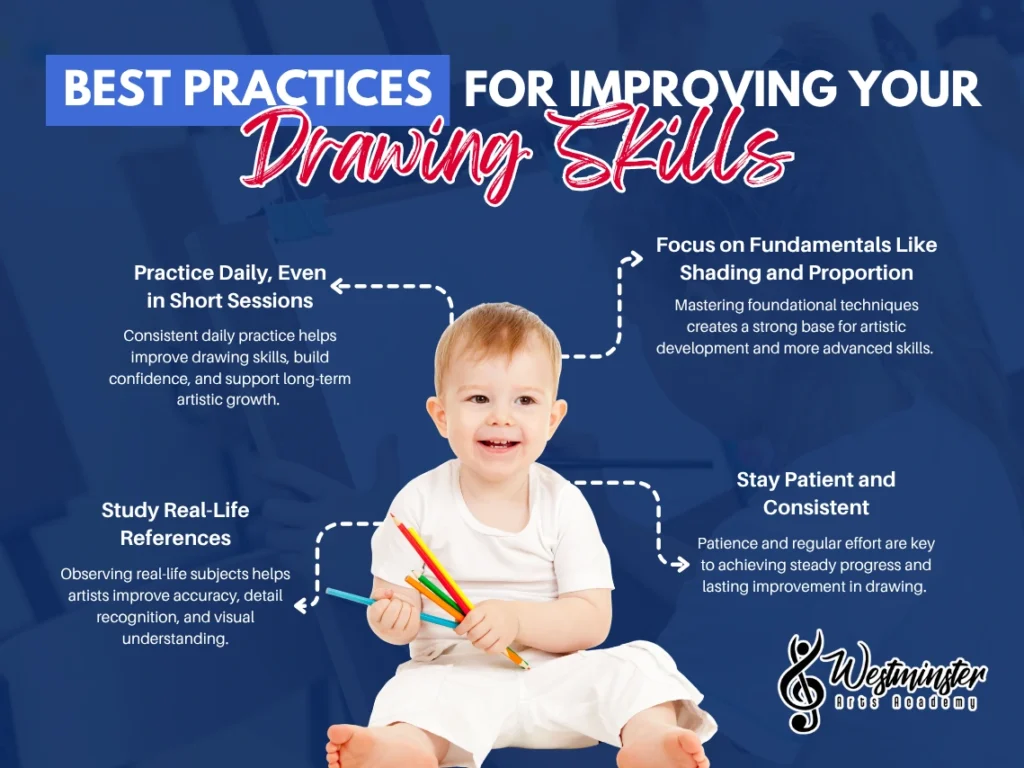
Best Practices for Improving Your Drawing Skills
Improving drawing skills takes patience, consistency, and a willingness to keep learning over time. Students in California who practice regularly and focus on foundational techniques often see the strongest progress. Building good artistic habits early helps support long-term creative growth.
Practice Daily, Even in Short Sessions
Daily drawing practice helps strengthen observation skills, hand control, and artistic confidence. Even short sessions of 15–30 minutes can lead to noticeable improvement over time. In California, instructors often encourage students to sketch regularly outside of class. Consistent practice builds discipline and keeps creative skills active. Small daily efforts often produce significant long-term results.
Focus on Fundamentals Like Shading and Proportion
Fundamental techniques such as shading, perspective, and proportion are essential for creating strong artwork. Students who focus on these basics early develop better accuracy and artistic understanding. In California, many drawing programs dedicate significant time to mastering foundational skills. Strong fundamentals support every artistic style and subject matter. Technical improvement becomes easier with a solid base.
Study Real-Life References
Drawing from real-life references helps students improve observation and accuracy. This can include studying objects, people, landscapes, or photographs to better understand shapes, lighting, and proportions. In California, instructors often encourage observational drawing exercises as part of regular practice. Real-life studies strengthen artistic awareness and detail recognition. Observation is one of the most valuable skills for any artist.
Stay Patient and Consistent
Artistic improvement takes time, and progress may feel gradual at certain stages of learning. Staying patient and committed is important for building confidence and skill over the long term. In California, experienced instructors remind students that consistent effort matters more than immediate perfection. Persistence helps artists overcome frustration and continue improving. Long-term dedication leads to meaningful artistic growth.
Where to Find Drawing Classes in California
If you’re looking for drawing classes in California, it helps to choose a local studio that offers both strong instruction and a supportive creative environment. The best drawing class should match the student’s age, goals, and skill level while also encouraging steady growth and confidence.
At Westminster Arts Academy, students can explore drawing instruction designed for beginners, youth learners, and more advanced students. Whether you’re interested in structured lessons, skill-building, or a class that helps improve technique through guided practice, a local academy can provide the right environment for artistic development.
Families in Westminster, as well as nearby areas, often look for programs that combine experienced teaching with a welcoming atmosphere. Choosing a local art school with strong instruction can make it easier to stay motivated and build lasting creative skills.
Wrapping Up
Choosing the right drawing classes in California starts with understanding your goals, skill level, and preferred learning environment. A strong drawing program should provide structured guidance, creative support, and opportunities for consistent artistic practice. Whether you are learning for personal enjoyment or professional development, the right class can help build both confidence and technical ability.
Exploring different classes, instructors, and artistic styles can help you find an environment that best supports your creative growth. Every artist develops at their own pace, and continuous learning is an important part of the artistic journey.
If you’re ready to strengthen your artistic skills, now is the perfect time to explore drawing classes in California and begin building a strong creative foundation that can benefit many forms of art for years to come. If you’re looking for a local place to start, Westminster Arts Academy offers a supportive option for students and families who want quality art instruction in Westminster.
FAQs
How do I know which drawing class is right for me?
The right drawing class depends on your goals, experience level, and artistic interests. Beginners may benefit from classes focused on fundamentals, while advanced students may prefer specialized instruction. In California, many studios offer trial classes or consultations to help students choose the best fit. Evaluating teaching style and class structure can also help guide your decision.
Are beginner drawing classes widely available in California?
Yes, beginner drawing classes are widely available throughout California for children, teens, and adults. Many art studios and community programs offer beginner-friendly instruction focused on foundational skills. These classes are designed to help students learn at a comfortable pace. Beginners can usually start with little or no previous drawing experience.
What materials do I need to start drawing?
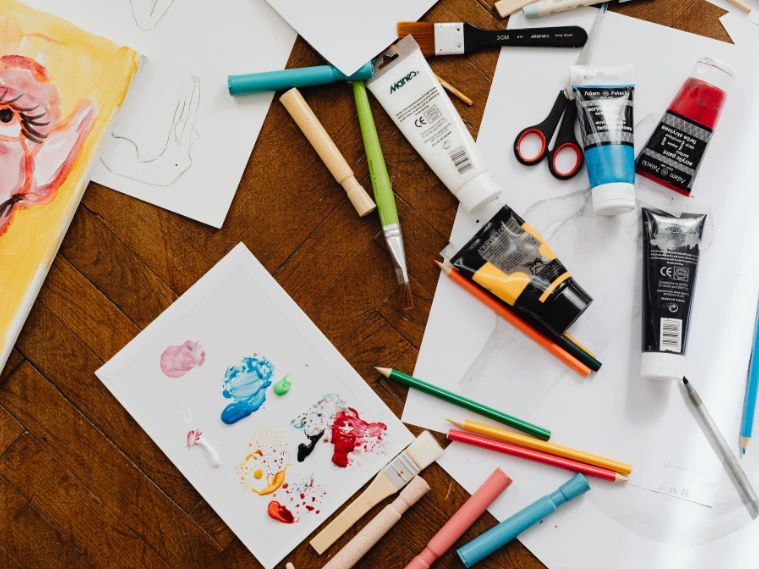
Most beginner drawing classes require simple materials such as pencils, erasers, sketchbooks, and basic shading tools. Some programs in California may provide supplies for introductory sessions or give students a recommended materials list. Starting with basic tools is often enough for learning foundational skills. Additional materials can be added gradually as students’ progress.
How long does it take to improve my drawing skills?
Improvement depends on practice frequency, learning consistency, and individual goals. Many students begin seeing noticeable progress within a few months of regular practice and instruction. In California, structured classes combined with independent sketching often led to faster development. Consistency and patience are the most important factors in artistic growth.
Can drawing classes help with other art forms?
Yes, drawing skills support many other artistic disciplines including painting, animation, illustration, graphic design, and sculpture. Strong drawing fundamentals improve observation, composition, and creative problem-solving abilities. In California, many artists begin with drawing before exploring other creative fields. Learning to draw creates a solid foundation for broader artistic development.