



Introduction
Painting has become an increasingly popular creative outlet for people of all ages in Westminster, CA. From children exploring colors for the first time to adults rediscovering creativity through art, painting offers a relaxing and expressive way to develop artistic skills. Many students are drawn to painting not only for self-expression but also for its ability to improve focus, confidence, and imagination.
Finding the right painting class can make a significant difference in how inspired and motivated a student feels throughout their artistic journey. In this guide, we’ll explore the different types of painting classes available in Westminster and nearby areas, what qualities make a class truly inspiring, how to choose the right program, and practical ways to stay creatively motivated over time. Whether you are a beginner or looking to strengthen your skills, this article will help you find the right artistic environment.
Exploring Different Types of Painting Classes
Painting classes in California come in many formats, styles, and skill levels to support different creative goals. Understanding the available options can help students choose a class that matches their interests and preferred learning style. The right type of class often leads to greater engagement, confidence, and long-term artistic growth.
Acrylic, Oil, and Watercolor Classes
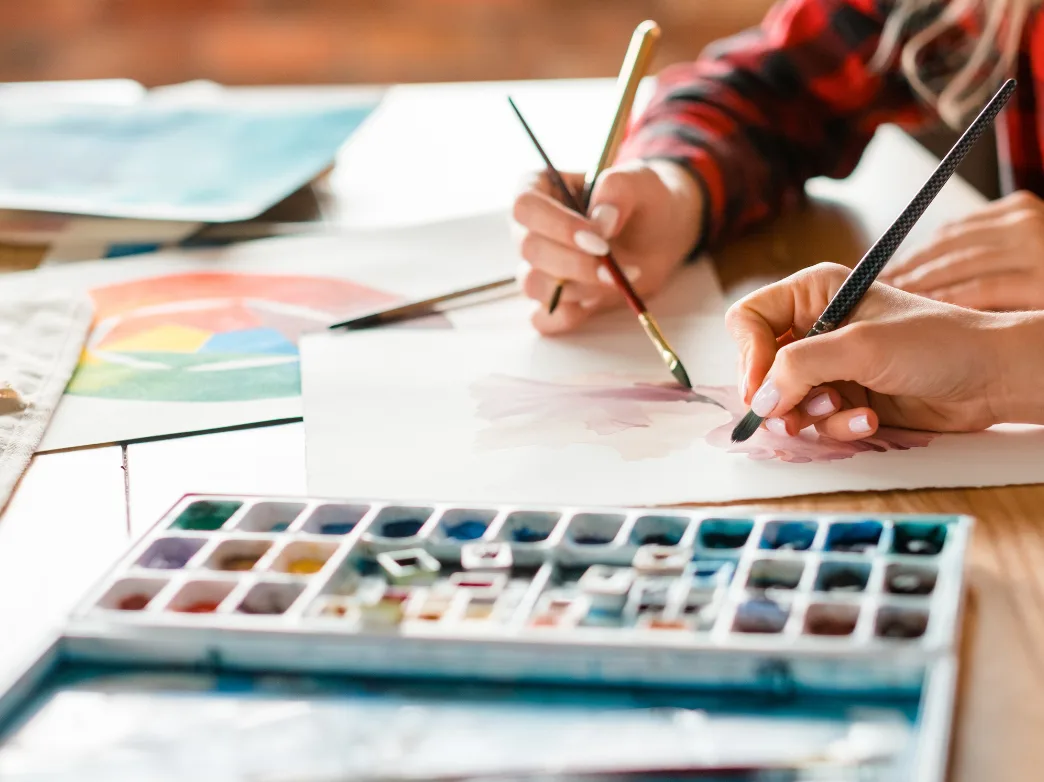
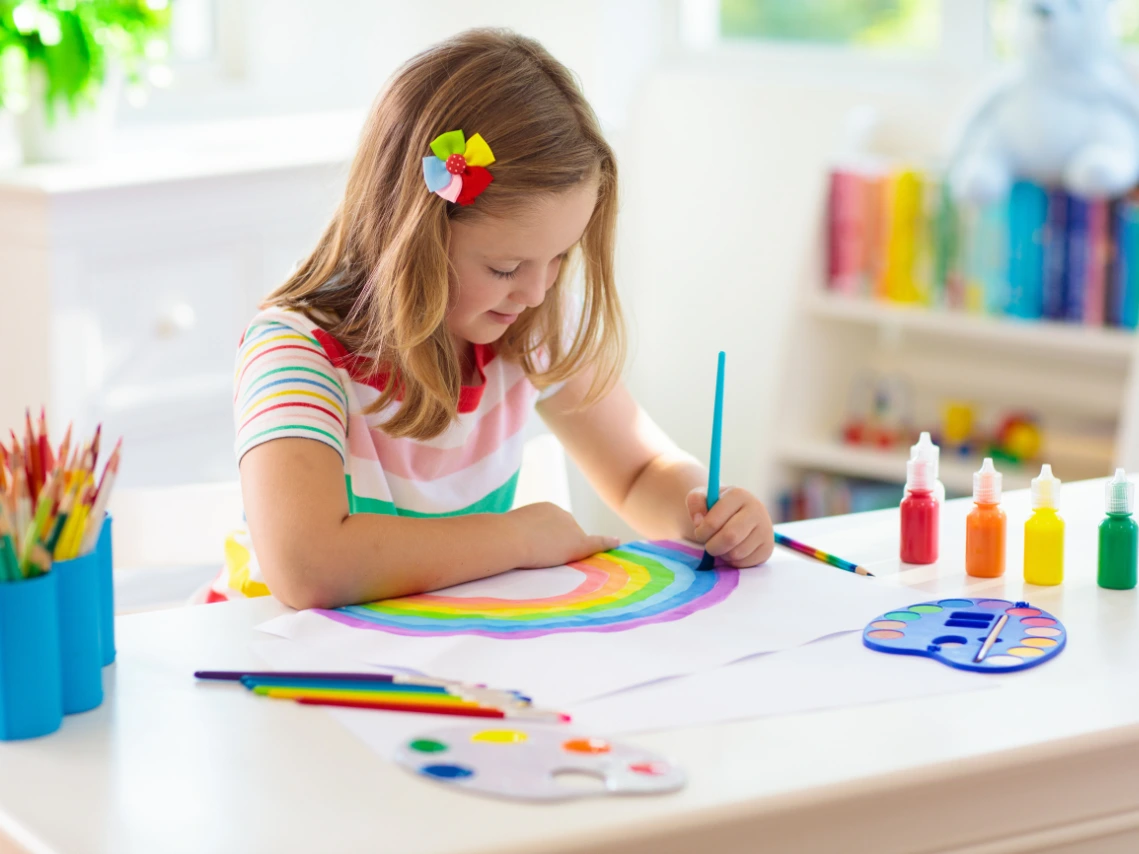
Different painting mediums offer unique techniques and creative experiences for students. Acrylic painting is popular for beginners because it dries quickly and is easy to work with. Oil painting provides rich textures and blending opportunities, while watercolor focuses on transparency and fluidity. In California, many art studios offer classes in all three mediums so students can explore different artistic styles. Many of these programs also include art classes for kids, helping young learners develop creativity while experimenting with various painting techniques. Experimenting with multiple mediums helps artists discover what they enjoy most.
Beginner vs. Advanced Painting Programs
Beginner painting classes focus on foundational skills such as brush control, color mixing, and basic composition. Advanced programs often emphasize technique refinement, artistic expression, and more complex projects. In California, many art schools organize classes by skill level to ensure students learn at an appropriate pace. Starting at the correct level helps build confidence and prevent frustration. Structured progression also encourages steady improvement over time and can significantly boost your art skills and creativity as you gain experience and explore new techniques.
Studio-Based vs. Workshop-Style Classes
Studio-based classes usually follow a long-term curriculum with regular weekly sessions and consistent instruction. Workshop-style classes are often shorter and focus on specific techniques, projects, or creative themes. In California, students can choose between ongoing studio learning or flexible workshops depending on their schedules and goals. Studio classes provide deeper skill development, while workshops encourage experimentation and creativity. Both formats can be valuable for artistic growth.
Classes for Kids, Teens, and Adults
Painting classes are often designed specifically for different age groups and learning needs. Kids’ classes focus on creativity, exploration, and fun activities, while teen programs may include more technical skill-building and portfolio development. Adult art classes often emphasize relaxation, personal expression, and flexible pacing. In California, many studios provide age-specific programs to create a comfortable learning environment. Choosing the right age group helps students feel more engaged and supported.
What Makes a Painting Class Truly Inspiring
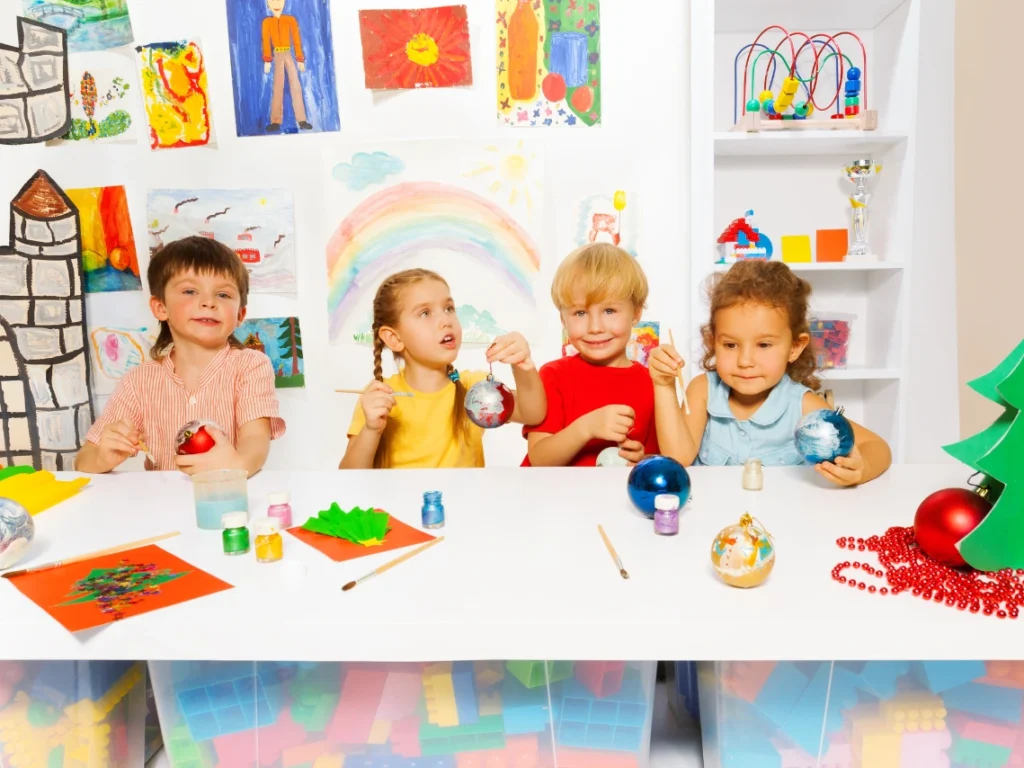
An inspiring painting class goes beyond teaching technique—it encourages creativity, confidence, and personal artistic growth. In California, the most successful art programs create environments where students feel motivated to experiment and express themselves freely. The right atmosphere can help students stay passionate about learning art over time.
Creative and Supportive Learning Environment
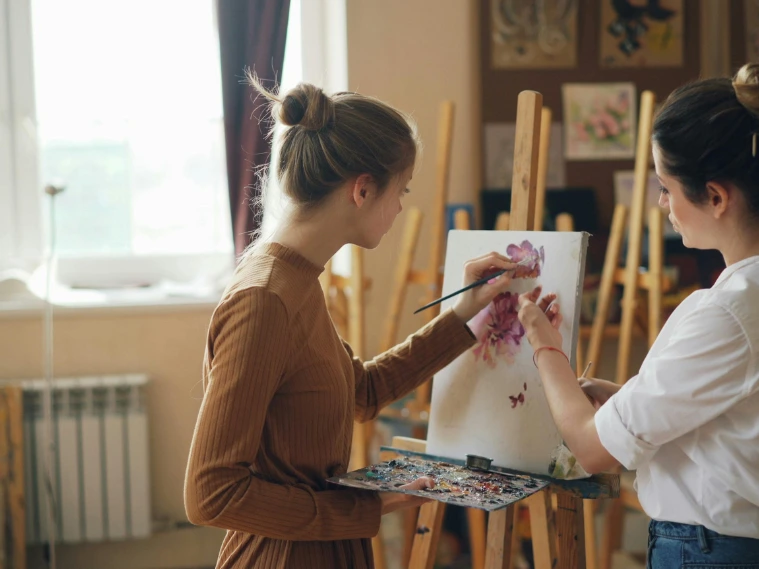
A supportive environment allows students to feel comfortable exploring new ideas without fear of mistakes. Encouraging instructors and welcoming classmates can make the learning experience more enjoyable and motivating. In California, inspiring painting classes often prioritize positivity and creative freedom. This atmosphere helps students develop confidence in their artistic abilities. Feeling supported encourages long-term participation and growth.
Encouragement of Personal Artistic Style
Strong painting classes encourage students to develop their own artistic voices instead of simply copying examples. Instructors may guide students technically while still allowing room for individual interpretation and creativity. In California, many modern art programs focus on helping students explore personal expressions through their work. Developing a unique style builds confidence and artistic identity. Creativity thrives when students feel free to experiment.
Hands-On Practice and Guided Instruction
Hands-on practice is essential for improving painting skills and building confidence with different techniques. Effective classes balance demonstrations with active painting time so students can apply what they learn immediately. In California, many painting programs combine guided instruction with independent creative exploration. This approach helps students strengthen both technical and creative abilities. Practical experience is one of the most important parts of artistic growth.
Opportunities to Showcase Artwork
Displaying artwork can help students feel proud of their progress and motivated to continue learning. Exhibits, student showcases, and class critiques provide valuable opportunities for feedback and encouragement. In California, many art studios organize community art events or gallery nights for students. Sharing artwork also helps students gain confidence in presenting their creativity. These experiences can inspire continued artistic development.
How to Choose the Right Painting Class
Choosing the right painting class in California involves more than simply finding the nearest studio. Students should evaluate their goals, experience levels, and preferred learning environment before committing to a program. Taking the time to compare options can lead to a more rewarding and inspiring artistic experience.
Identify Your Creative Goals
Understanding your creative goals helps narrow down the best type of painting class for your needs. Some students want to paint for relaxation, while others aim to improve their technique or build professional portfolios. In California, art programs often cater to different objectives and artistic interests. Defining goals early helps instructors tailor guidance more effectively. Clear direction also helps students stay motivated over time.
Consider Your Current Skill Level
Choosing a class that matches your current skill level is important for maintaining confidence and steady progress. Beginners may need more structured guidance, while experienced artists may prefer advanced workshops or independent studio sessions. In California, many schools offer art classes for all skill levels, organizing programs by experience level to support effective learning. Starting at the right level prevents frustration and encourages improvement. It also creates a more comfortable and supportive classroom experience.
Look into Instructor Style and Experience
An instructor’s teaching style can greatly influence a student’s enjoyment and progress in painting. Experienced teachers know how to encourage creativity while providing constructive technical guidance. In California, many art instructors specialize in specific mediums or artistic approaches. Observing teaching style through trial classes or reviews can help students find the right fit. A supportive instructor often makes learning more inspiring and enjoyable.
Explore Class Formats and Flexibility
Class schedules and formats should fit comfortably within a student’s lifestyle and availability. Some students prefer weekly long-term programs, while others benefit from shorter workshops or flexible studio sessions. When choosing your art studio, it is important to consider whether the program offers in-person, hybrid, or flexible scheduling options that align with your needs. In California, painting classes are available in both in-person and hybrid formats depending on the studio. Flexibility can make it easier for students to stay consistent with learning. A convenient schedule helps maintain motivation and commitment.
Where to Find Painting Classes in California
If you’re looking for painting classes in California, it helps to choose a local studio that offers both strong instruction and a supportive creative environment. The best painting class should match the student’s age, goals, and skill level while also encouraging growth and self-expression.
At Westminster Arts Academy, students can explore painting instruction designed for beginners, kids, teens, and adults. Whether you’re interested in structured lessons, creative exploration, or a class that helps build confidence through guided practice, a local academy can provide the right environment for artistic growth.
Families in Westminster, as well as nearby areas, often look for programs that combine experienced teaching with a welcoming atmosphere. Choosing a local art school with strong instruction can make it easier to stay inspired and enjoy the learning process.
Tips to Stay Inspired in Your Painting Journey
Artistic inspiration grows through curiosity, experimentation, and regular creative practice. Students in California who stay open to learning and exploring new ideas often experience greater artistic growth over time. Maintaining inspiration is an important part of developing long-term creative confidence.
Experiment with Different Techniques
Trying new painting techniques helps students discover different ways to express creativity. This may include layering, texture work, palette knife painting, or mixed media approaches. In California, many painting classes encourage experimentation to expand artistic skills and confidence. Exploring different methods keeps learning exciting and fresh. Creative variety can also help artists overcome periods of artistic frustration.
Practice Regularly Outside of Class
Regular practice outside of lessons helps reinforce techniques and improve confidence. Even short painting sessions at home can strengthen creativity and technical ability. In California, instructors often encourage students to continue creating between classes to maintain progress. Consistent artistic practice develops discipline and artistic growth. Small efforts over time lead to noticeable improvement.
Learn from Other Artists and Peers
Observing other artists can provide inspiration, fresh ideas, and new creative perspectives. Students often learn valuable techniques by sharing feedback and discussing artwork with their peers. In California, many art communities and painting programs encourage collaboration and creative discussion. Learning from others helps artists stay motivated and open-minded. Artistic communities can also make the creative process more enjoyable.
Keep a Sketchbook or Creative Journal
A sketchbook or creative journal is a useful tool for recording ideas, practicing concepts, and experimenting freely. Students can use it to explore color palettes, rough sketches, or artistic inspirations. In California, many instructors recommend keeping a sketchbook to encourage regular creativity outside of formal classes. This habit helps artists track progress and develop original ideas. Creative journaling supports long-term artistic development.
Wrapping Up
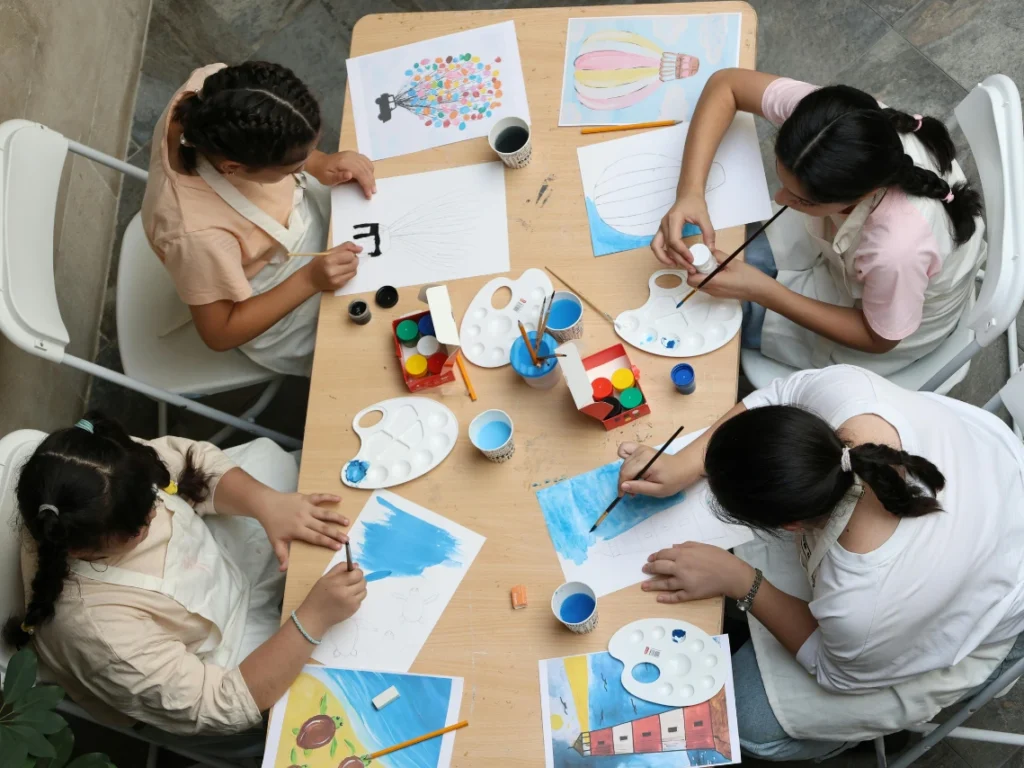
Finding the right painting classes in California can open the door to creativity, confidence, and long-term artistic growth. A supportive learning environment, inspiring instruction, and opportunities for creative exploration all contribute to a rewarding painting experience. Whether you are learning for personal enjoyment or artistic development, the right class can help nurture both skill and imagination.
Before committing to a painting program, take the time to explore different studios, teaching styles, and class formats throughout California. Trying multiple options can help you discover the environment that best supports your creativity and learning goals.
If you’re ready to begin your artistic journey, now is the perfect time to explore painting classes in California and discover how creativity can continue to grow with practice, inspiration, and guidance. If you’re looking for a local place to start, Westminster Arts Academy offers a supportive option for students and families who want quality art instruction in Westminster.
FAQs
Are painting classes in California suitable for beginners?
Yes, many painting classes in California are designed specifically for beginners with little or no prior experience. These classes usually focus on basic techniques, color theory, and simple creative exercises. Instructors guide students step-by-step to help build confidence and comfort with painting. Beginner-friendly environments make learning enjoyable and approachable.
What type of painting should I start with?
Acrylic painting is often recommended for beginners because it is versatile, easy to manage, and dries quickly. Watercolor and oil painting are also popular but may require different techniques and materials. In California, many art studios allow students to explore multiple mediums before choosing a preference. Trying different styles helps students discover what they enjoy most.
How often should I attend painting classes?
Attending painting classes once or twice a week is usually enough for steady improvement. Consistent practice outside of class can also significantly strengthen artistic skills. In California, many students combine weekly lessons with independent creative time at home. Regular exposure to painting helps build both technique and confidence over time.
Do I need to bring my own materials?
This depends on the painting class or studio. Some programs in California provide materials for beginners, while others may ask students to bring their own supplies after a few sessions. Instructors usually provide a list of recommended materials before classes begin. Starting with basic supplies is often enough for beginners.
Can painting classes help improve creativity?
Yes, painting classes can greatly improve creativity by encouraging experimentation, observation, and self-expression. Students learn to think visually and explore new ideas through artistic projects. In California, many painting programs focus on developing both technical skills and creative confidence. Regular artistic practice can strengthen imagination and problem-solving abilities over time.