

Introduction
Music education at age five is less about technical mastery and more about building curiosity, rhythm awareness, and confidence in a fun environment. At this stage, children are naturally drawn to sounds, movement, and repetition, making it an ideal time to introduce structured learning. In Gilbert, Arizona, many parents are discovering how early music exposure supports overall development. This early foundation helps children feel comfortable with learning and creativity.
For families searching for a music lesson for 5-year-olds in Arizona, it’s important to find programs that are age-appropriate, engaging, and supportive. Music lessons for 5-year-olds in Gilbert, Arizona are designed to be short, interactive, and playful, so children stay interested without feeling pressured. Instead of focusing heavily on theory, lessons emphasize exploration, singing, and simple instrument play. Over time, this builds a positive relationship with learning.
Benefits of Music Lessons for 5-Year-Olds in Gilbert, Arizona
Music lessons at this age offer benefits that extend beyond music and support overall childhood development. In Gilbert, Arizona, parents often choose music education to help improve focus, creativity, and confidence while also strengthening school readiness and social skills. Children develop strong learning habits in a structured yet fun environment that allows them to grow at their own pace.
Builds early confidence and self-expression
Music helps children express emotions in a safe and creative way and can encourage your child’s love for music in a natural, enjoyable manner. Singing and playing instruments allow them to communicate feelings naturally. This builds confidence over time. It also encourages self-expression in other areas of life.
Improves focus and listening skills
Music training helps children develop stronger attention spans through rhythm and listening exercises. They learn to follow instructions carefully during activities, improving focus in school settings, and strengthening memory.
Encourages social interaction and teamwork
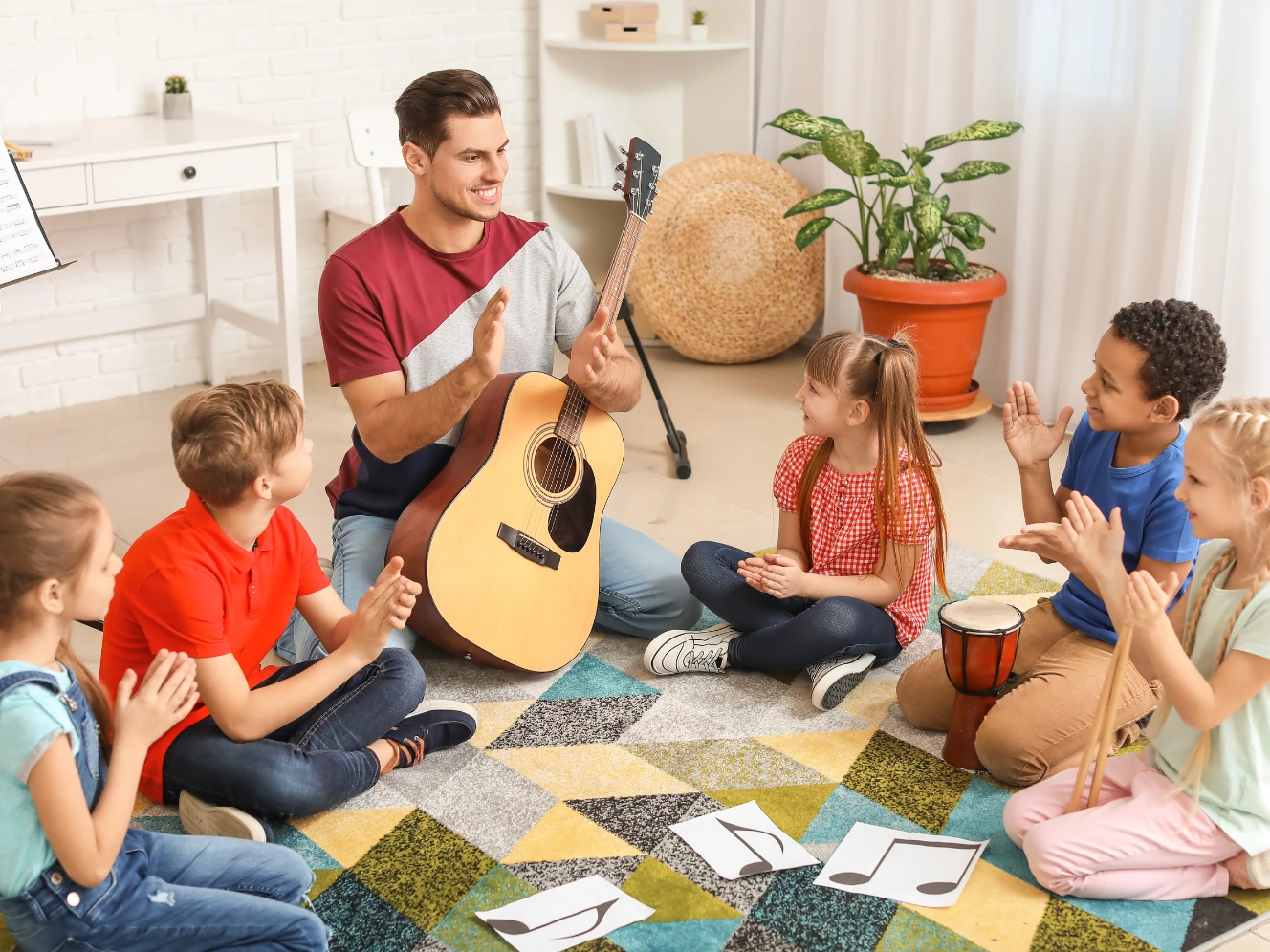
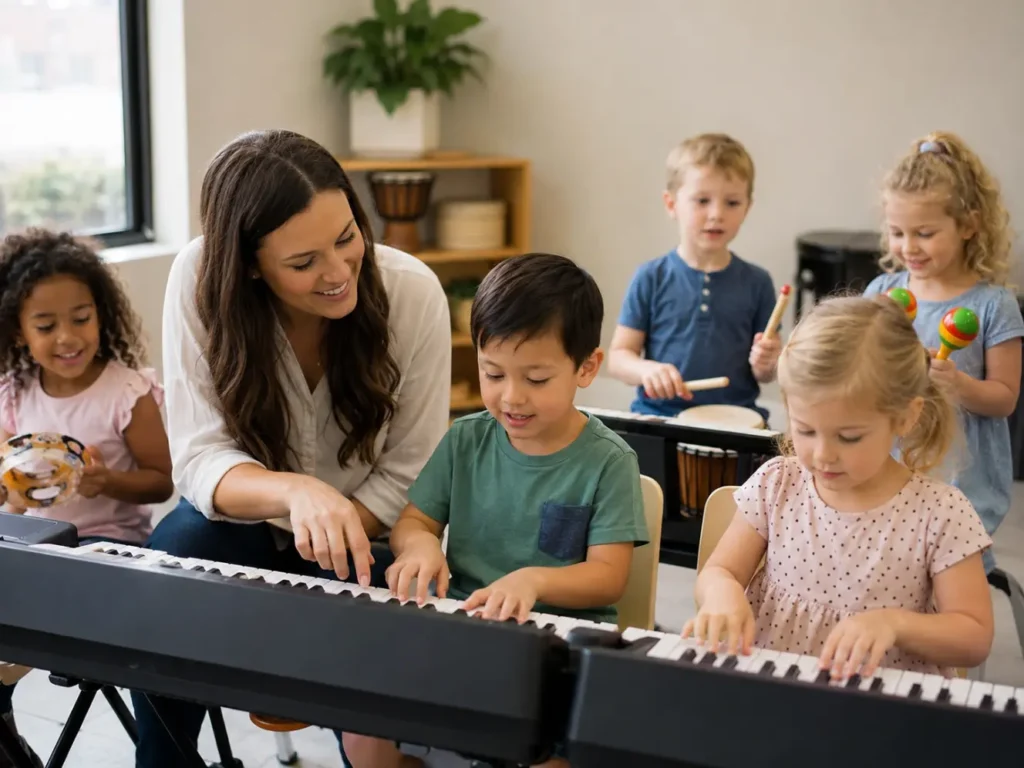
Group music activities help children learn how to work with others. They practice listening, sharing, and staying in rhythm with their peers. This builds teamwork skills and improves social confidence.
What 5-Year-Olds Learn in Early Music Lessons
Early music lessons focus on foundational skills that prepare children for future learning, and music lessons in schools matter because they help build creativity, discipline, and confidence from an early age. In Gilbert, instructors use simple and engaging methods to teach rhythm, sound, and coordination. Lessons are interactive and designed to keep children involved. This creates a positive learning experience.
Basic rhythm and beat understanding
Children learn to recognize and follow steady beats through clapping and movement. This helps them develop timing and coordination. Rhythm exercises are simple but effective. They form the foundation for future music skills.
Introduction to simple instruments
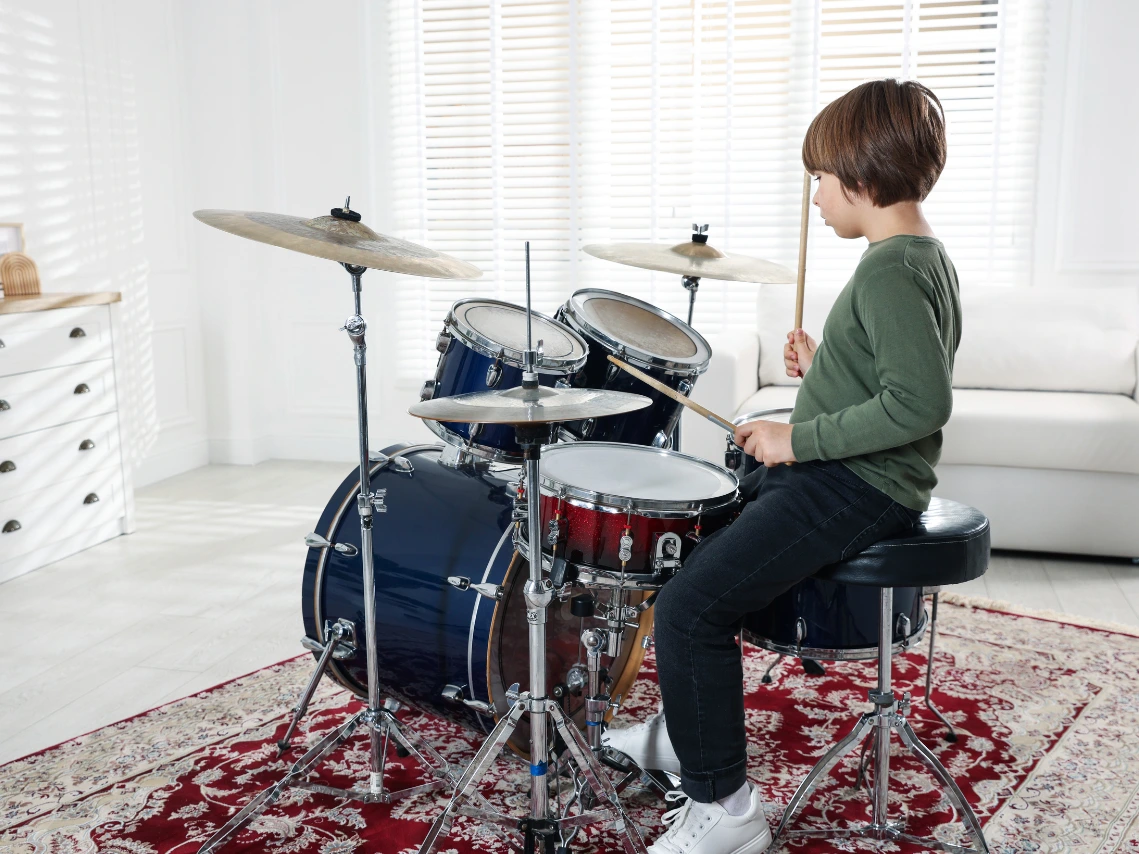
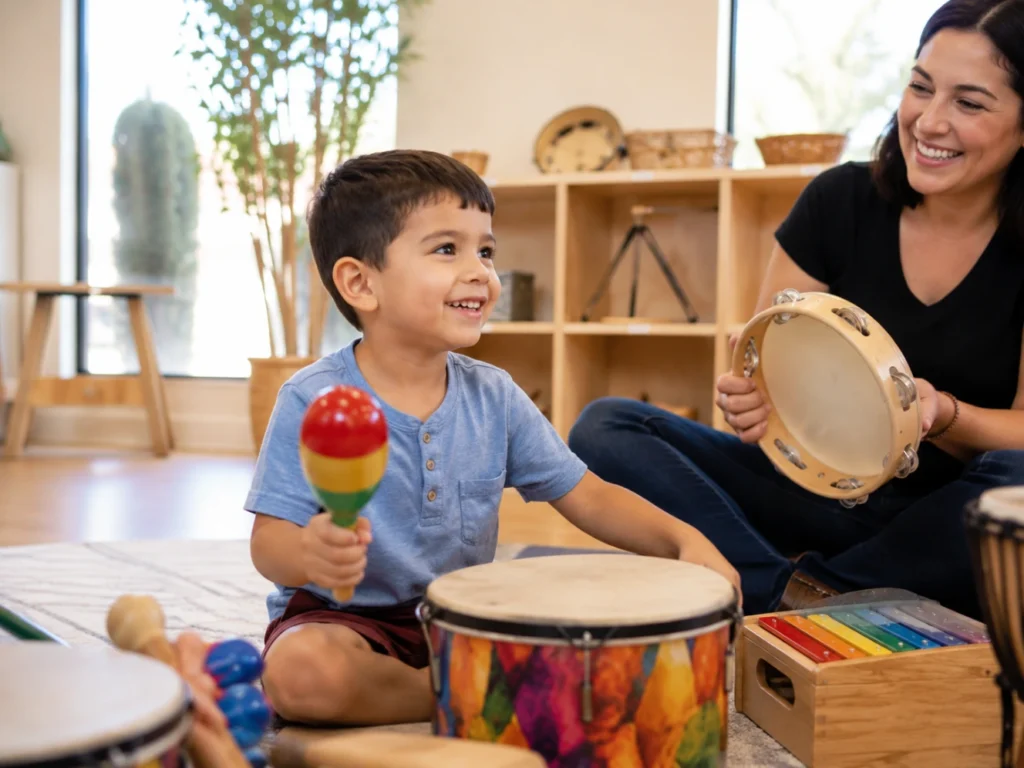
Young learners explore instruments like drums, keyboards, and percussion tools, which helps introduce kids to music in a fun and approachable way. They focus on sound discovery rather than technique. This keeps lessons fun and engaging. It also encourages curiosity and exploration.
Singing and vocal development
Singing helps children develop pitch awareness and language skills. Simple songs and nursery rhymes are used in lessons. This improves memory and listening ability. It also makes learning enjoyable.
Teaching Methods Used in Kids Music Lessons
Teaching methods for young children focus on engagement, flexibility, and enjoyment. In Gilbert, Arizona, instructors use creative approaches to keep children interested. Lessons are structured but adaptable. This ensures a positive learning environment.
Play-based learning approach
Play-based learning uses games, movement, and storytelling to teach music concepts, showing how kids learn through music in a natural and engaging way. This makes learning fun and interactive. Children absorb information without pressure. It also keeps them engaged longer.
Repetition through fun activities
Repetition is used to reinforce learning but is presented in different formats. This prevents boredom and maintains interest. Children learn through enjoyable repetition. It helps strengthen memory.
Positive reinforcement and encouragement
Teachers use praise and encouragement to motivate children. Small achievements are celebrated often. This builds confidence and trust. It also creates a supportive learning environment.
How Parents in Gilbert, Arizona Can Support Music Learning
Parents play an important role in reinforcing music education at home. Even small efforts can make a big difference in progress. In Gilbert, Arizona, parents are encouraged to keep music fun and relaxed. This helps children stay motivated. It also strengthens the parent-child learning connection.
Creating a simple practice routine at home
Short daily practice sessions of 5–10 minutes are most effective. This keeps children engaged without overwhelming them. Consistency is more important than duration. It helps build habits and routines.
Encouraging music outside of lessons
Listening to music and singing at home reinforces learning. It helps children become more familiar with rhythm and sound. This strengthens lesson retention. It also builds enthusiasm for music.
Staying patient with early progress
Progress at age five is often slow and inconsistent, which is why music lessons for aspiring musicians should focus on patience and steady encouragement. Children learn at different speeds and in different ways. Patience is key to success. Encouragement helps maintain confidence. Small, steady improvements over time are more important than quick results.
Choosing the Right Music Program in Gilbert, Arizona
Choosing the right music program ensures a positive learning experience for young children. In Gilbert, Arizona, there are many options available for families. The best programs focus on engagement and child development. It should be enjoyable and supportive. This helps children stay interested. It also promotes steady growth.
Looking for child-friendly instructors
Instructors should understand early childhood learning needs. Patience and communication are essential qualities. This helps create a supportive environment. It also improves learning outcomes.
Small class sizes vs private lessons
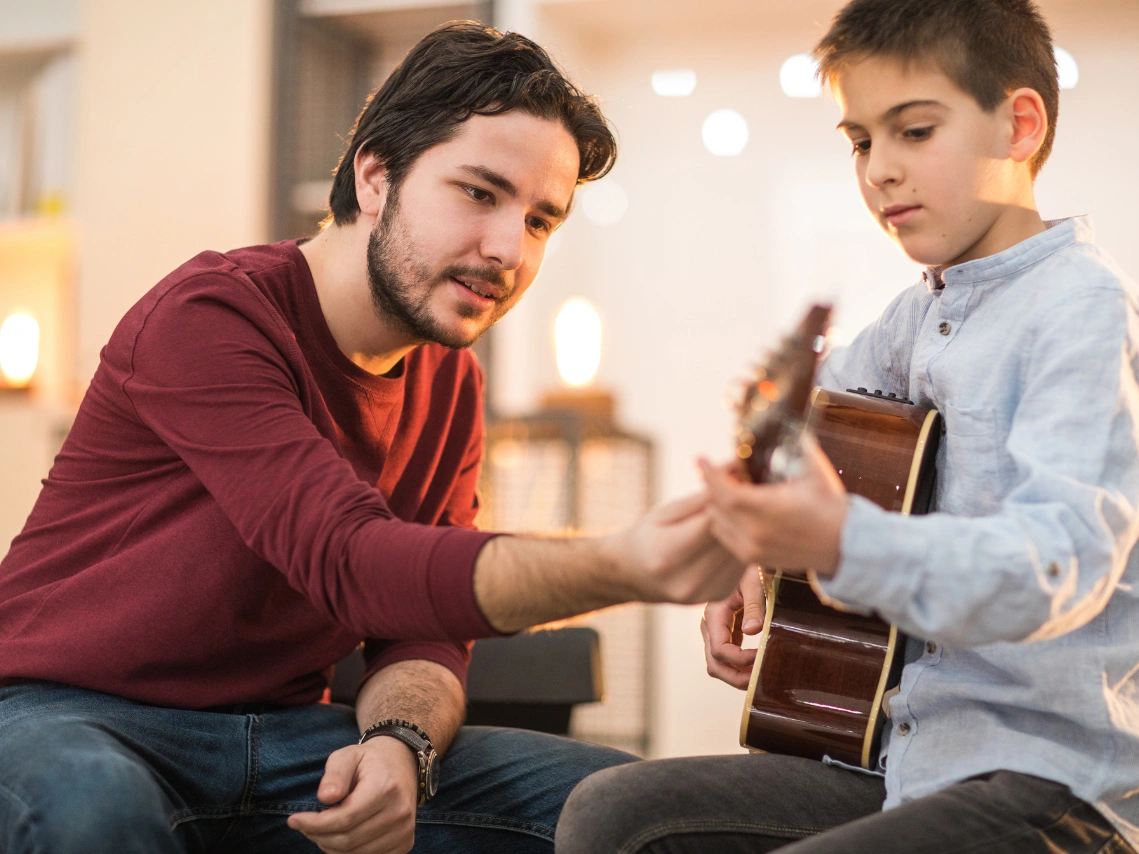
Small classes help children develop social skills and teamwork. Private lessons offer more personalized attention. Both options are effective depending on the child. The choice depends on the learning style.
Structured but flexible curriculum
A strong curriculum provides structure while remaining flexible. This prevents frustration and boredom. It allows children to learn at their own pace. It also supports long-term engagement. This balance helps ensure children stay motivated and enjoy the learning process consistently.
Where to Find Music Lessons for 5-Year-Olds in Gilbert, AZ
Finding the right program is key when choosing a music lesson for 5 year olds in Arizona.
At Gilbert School of Music, lessons are designed specifically for young beginners. Programs focus on fun, structured learning that builds rhythm, confidence, and creativity through age-appropriate activities.
Families in Gilbert, Arizona choose these programs because they offer a supportive environment where children can learn at their own pace while staying engaged and excited about music.
Common Challenges and How to Handle Them
Music learning at age five comes with natural challenges due to developmental stages. These challenges are normal and part of the learning process. In Gilbert, Arizona, teachers use supportive strategies to address them. This helps children stay engaged. With time, most challenges improve naturally. This leads to a better learning experience.
1. Short attention spans
Children often lose focus quickly during lessons, which is why music lessons for all ages are designed with short and varied activities to maintain engagement. Teachers use short and varied activities to maintain engagement. Movement helps keep interest high. This improves participation. These quick transitions keep children from feeling overwhelmed or bored.
2. Shyness or hesitation
Some children feel nervous at the beginning. Gentle encouragement helps them open over time. Confidence builds with practice. This improves comfort in learning. A supportive environment plays a big role in helping them feel safe and expressive.
3. Difficulty following instructions
Multi-step instructions can be challenging at this age. Teachers simplify directions and use demonstrations. This improves understanding. It also reduces frustration. Visual cues and repetition also help reinforce learning more effectively.
4. Inconsistent home practice
Practice routines may not always be consistent. Short and fun practice sessions help improve regularity. This builds habits over time. It also reduces resistance. Making practice feel like playing instead of a task helps increase participation at home.
5. Unrealistic expectations from parents
Parents may expect faster progress than is realistic. Early learning focuses on exposure and enjoyment. Skill development takes time. Patience leads to better outcomes. Understanding age-appropriate milestones helps set healthier expectations for growth.
Wrapping Up
Music lessons for 5-year-olds in Gilbert, Arizona provide a strong foundation for creativity, confidence, and early learning skills. At this age, the focus is on enjoyment, exploration, and building positive associations with music. These early experiences help shape how children approach learning in the future.
With the right support from teachers and parents, children can develop a lasting love for music that grows over time. This foundation can influence not only musical ability but also overall development and confidence throughout life. Start today and explore opportunities that help your child build strong musical skills and a lifelong passion for learning through music.
FAQs
What is the best instrument for a 5-year-old?
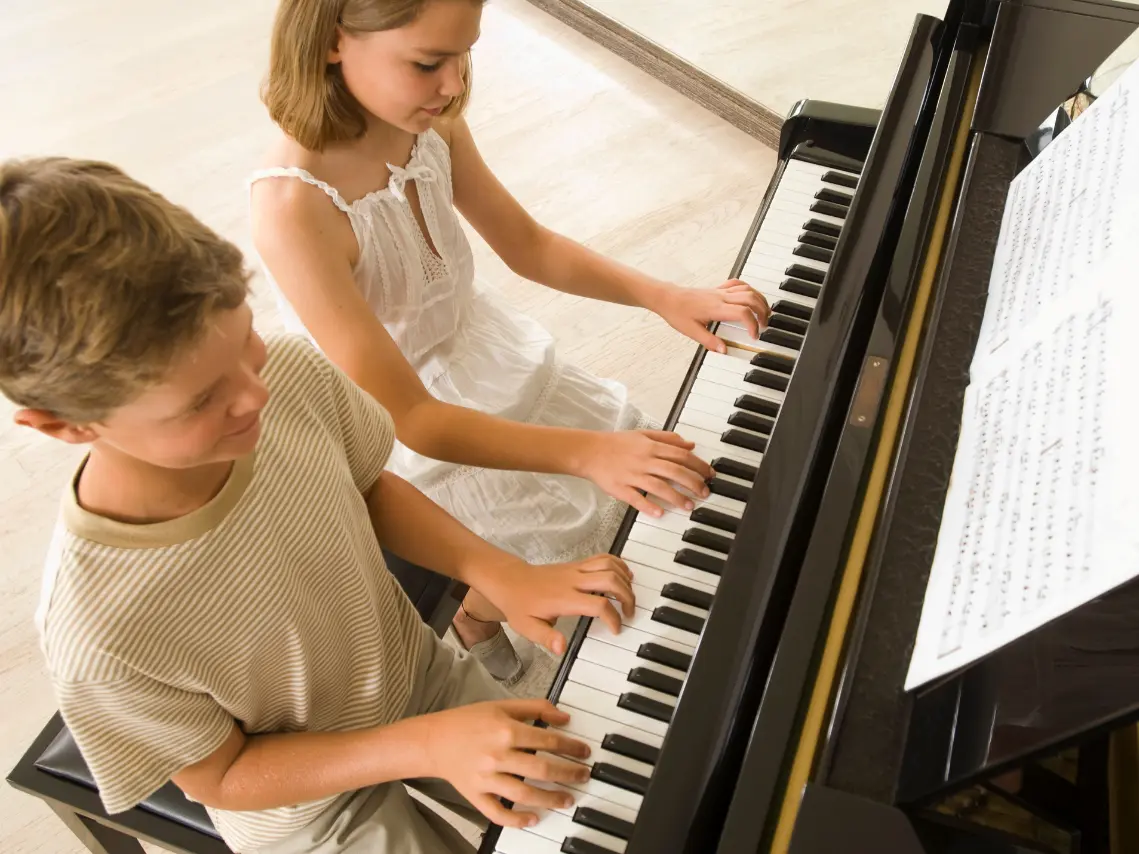
Simple instruments like piano, drums, and percussion are the best. They are easy to understand and use. This helps build early interest. It also keeps learning fun. These instruments also help children develop coordination and rhythm naturally.
How long should lessons be?
Lessons should last about 20–30 minutes. This matches a young child’s attention span. Short sessions are more effective. They also reduce fatigue. Keeping lessons consistent is more important than making them longer.
Can my child learn without reading music?
Yes, early lessons focus on listening and playing. Reading music will be introduced later. This makes learning easier and more natural. It reduces pressure. Children build musical understanding through sound and repetition first.
Are group or private music lessons better?
Both options are effective depending on the child. Group lessons build social skills. Private lessons offer more focus. Choice depends on personality. Some children thrive better in collaborative environments, while others prefer one-on-one attention.
How quickly will my child improve in music lessons?
Progress varies from child to child. Confidence usually develops first before technical skills. Improvement often appears within weeks. Consistency is key. Small daily practice habits make the biggest difference over time.