


Introduction
Music theory is the foundation that helps musicians understand how music works, from simple melodies to complex compositions. For many beginners in Nevada, especially those starting their journey in places like Las Vegas, learning music theory can feel overwhelming at first. However, once broken down into clear concepts, it becomes one of the most powerful tools for musical growth and creativity.
In this guide, we will explore the basics of music theory, including how notes, rhythms, scales, and chords work together. You will also learn how to read sheet music, understand harmony, and apply theory in real musical situations. Whether you are a beginner or taking structured music lessons in Las Vegas, Nevada, this guide will help you build a strong foundation in music theory.
The Basics of Music Theory
Music theory begins with understanding how sound is organized into a system that musicians can read, write, and perform. In Las Vegas and across Nevada, beginners learning music theory often start with simple concepts such as notes, rhythm, and timing. These essential skills for beginners are significant because they form the structure of every song you hear.
The Musical Alphabet
The musical alphabet consists of the seven basic notes: A, B, C, D, E, F, and G. These notes repeat in higher and lower pitches across instruments and form the building blocks of all music. In music lesson theory, understanding this alphabet helps students recognize patterns and structures in songs.
Understanding Rhythm and Timing
Rhythm refers to how music moves in time, including beats, tempo, and timing patterns. Beginners in Nevada often start by clapping rhythms or using a metronome to stay in time. In music theory, rhythm is just as important as notes because it gives music its flow and energy.
The Role of Pitch and Sound
Pitch refers to how high or low a note sounds, and it is essential for melody creation. Students learn how different pitches work together to form recognizable tunes. This understanding helps beginners develop better listening and playing skills.
Reading Sheet Music
Reading sheet music is a key skill in music theory, allowing musicians to interpret written music accurately. In Las Vegas, Nevada, beginners are often introduced to sheet music early so they can connect written notes with what they play on their instrument. This skill opens the door to learning any song more efficiently.
Understanding the Staff and Notes
Sheet music is written on a staff made of five lines and four spaces, where each position represents a different note. Students learn how to identify notes on the staff and match them to their instrument. This helps build reading fluency over time, especially when practicing easy piano basic songs.
Clefs and Their Importance
The two most common clefs are the treble and bass clefs, which determine the pitch range of written music. Beginners in Nevada typically start with the treble clef before moving on to more complex notation. Clefs are essential for understanding how music is structured visually.
Note Values and Timing Symbols
Notes come in different shapes that represent how long they should be held, such as whole notes, half notes, and quarter notes. These symbols help musicians understand rhythm and timing in written form. Mastering note values is crucial for accurate performance.
Understanding Chords, Scales, and Harmony
Chords, scales, and harmony are essential parts of music lesson theory that bring depth and emotion to music. In Las Vegas, Nevada, students often explore these concepts after learning basic notes and rhythm. Understanding how they work together helps musicians create more expressive and structured music.
What Are Scales in Music?
Scales are sequences of notes played in a specific order, forming the foundation of melodies and harmonies. Major and minor scales are usually the first ones beginners learn. These scales help students understand how music is built step by step.
Building and Understanding Chords
Chords are groups of notes played together to create harmony. Students learn how chords are formed from scales and how they support melodies. This understanding is essential for playing songs and composing music.
Harmony and Emotional Expression
Harmony occurs when multiple notes or chords are played together to create depth and emotion. In Nevada, beginners studying music lesson theory learn how harmony changes the mood of a song. This concept helps musicians add emotion and texture to their playing.
How Chords and Scales Work Together
Chords and scales are closely connected, as chords are built from scale notes. In music lesson theory, understanding this relationship helps students improvise and create music more easily. It also improves overall musical creativity and confidence.
Applying Music Theory in Real-Life Playing
Learning music lesson theory is most effective when applied to real instruments and songs. Many students in Las Vegas, Nevada combine theory with hands-on practice through interactive music lessons, reinforcing concepts more effectively. This helps reinforce concepts and improve musical understanding faster.
Improvisation and Creativity
Improvisation allows musicians to create music spontaneously using their knowledge of scales and chords. In music lesson theory and music lessons for young children, this skill helps students become more expressive and flexible. It also builds confidence in real-time performance situations.
Song Analysis and Breakdown
Analyzing songs helps students understand how music theory is used in real compositions. In Nevada, beginners often break down popular songs to identify chords, scales, and rhythms. This practice strengthens understanding of music lesson theory concepts.
Practicing with Instruments
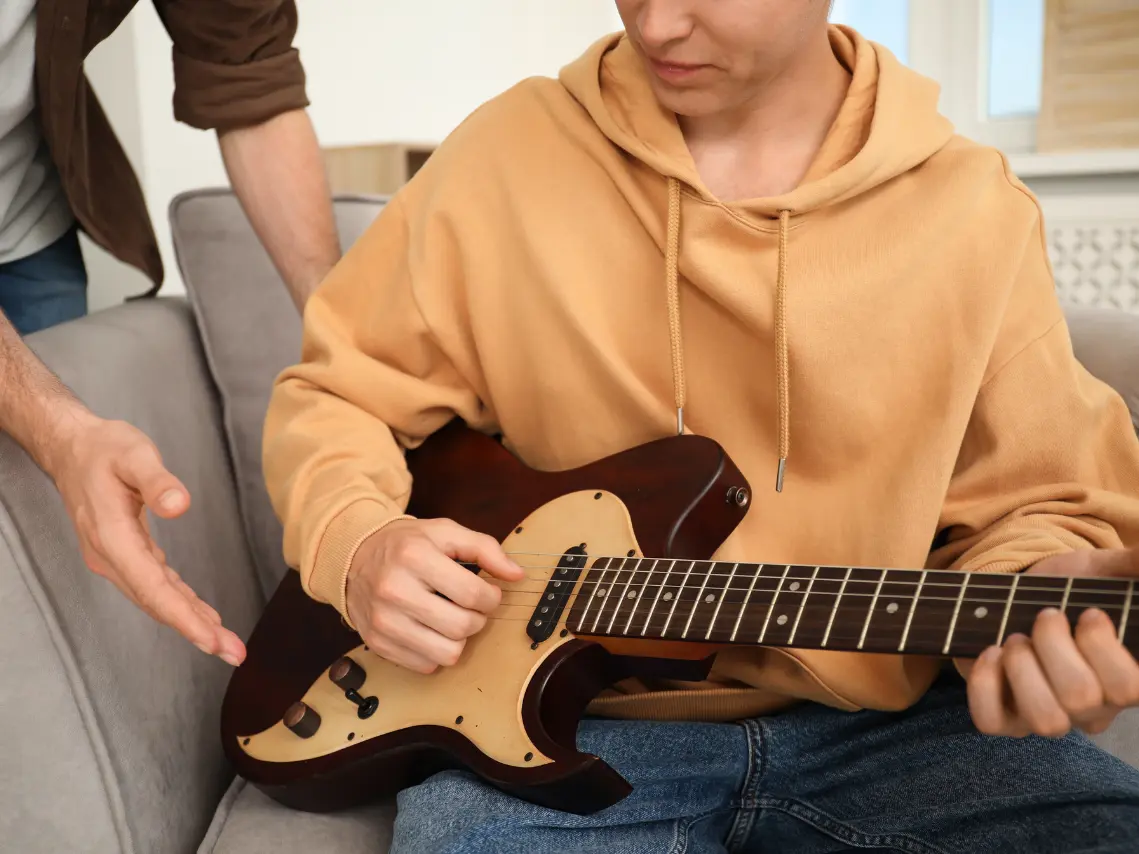
Applying theory on instruments like piano or guitar helps reinforce learning. Hands-on practice is essential for connecting written knowledge with physical performance. This makes learning more practical and engaging.
Developing Musical Ear Training
Ear training helps musicians recognize notes, chords, and rhythms by listening. In Nevada, students of music lesson theory often practice identifying sounds without sheet music. This skill improves overall musical awareness and performance ability.

Where to Learn Music Theory in Las Vegas, NV
Learning music theory becomes much easier when guided by experienced instructors. In Las Vegas, students have access to structured programs that combine theory with hands-on practice, helping concepts like scales, chords, and rhythm feel more practical and engaging.
At Learn The Arts Las Vegas, students learn music theory alongside instrument training, allowing them to apply what they learn in real musical situations. Whether you are just starting or looking to strengthen your foundation, guided lessons can help accelerate your progress and confidence.
Wrapping Up
Understanding music theory is an important step in becoming a well-rounded musician. For beginners in Las Vegas, learning music lesson theory helps build confidence, creativity, and technical skills. From reading sheet music to understanding chords and harmony, each concept plays a key role in musical development.
With consistent practice and guided learning, music theory becomes easier and more intuitive over time. It connects everything from basic notes to full musical compositions, making it an essential part of every musician’s journey.
If you are ready to deepen your understanding, consider enrolling in music lessons in Las Vegas, NV at Learn The Arts Las Vegas. Structured lessons can help you apply music theory in real-world playing and build lasting musical confidence.
FAQs
What is music theory and why is it important in music theory learning?
Music theory is the study of how music is structured, including notes, rhythm, harmony, and melody. In music theory learning, it helps beginners understand how songs are built and how instruments work together. This knowledge makes it easier to play, compose, and analyze music effectively.
How long does it take to understand music theory for beginners in music theory?
The time it takes to understand music theory depends on consistency and practice. Most beginners grasp the basics within a few weeks of regular study. However, mastering advanced concepts takes ongoing learning and application over time.
Is music theory necessary to learn an instrument in music theory studies?
Yes, music theory is highly beneficial when learning any instrument. It helps students understand scales, chords, and rhythm more clearly. While not always required, it significantly improves musical progress and creativity.
Can children learn music theory easily in music theory classes?
Yes, children can learn music theory through simplified and interactive methods. Many instructors use games, visuals, and simple exercises to make learning engaging. This helps young learners build a strong musical foundation early.
What is the best way to practice music theory at home in music theory learning?
The best way to practice music theory at home is through consistent exercises, instrument practice, and listening to music actively. Writing notes, identifying chords, and using apps or worksheets can also help. Regular practice makes understanding theory much easier over time.