

Introduction
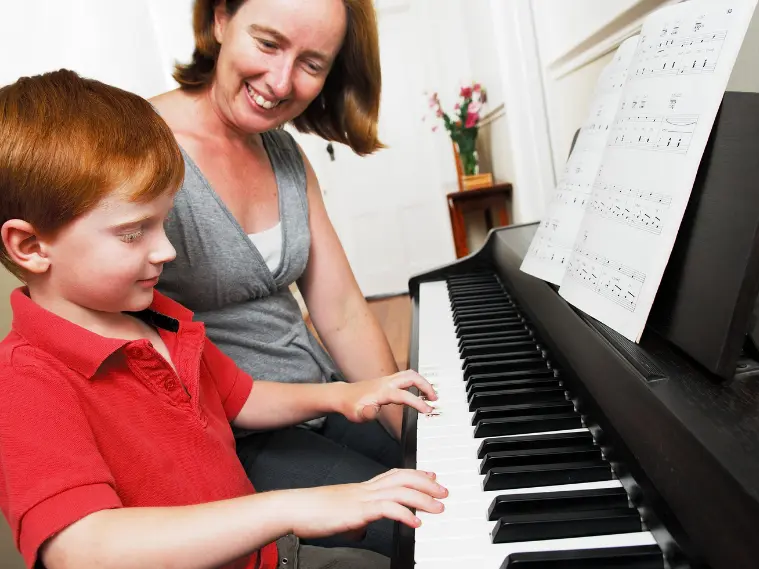
Many parents consider piano lessons for kids as a wonderful way to introduce music during early childhood. Learning piano helps children develop concentration, coordination, and creative thinking while exploring music in a fun environment. The instrument’s visual layout makes it easier for beginners to understand musical patterns and notes. Because of these advantages, piano is often recommended as one of the best first instruments for young learners.
Starting lessons early can build a strong foundation for musical development and long-term enjoyment. This guide explains why piano is ideal for beginners, when children are ready to start lessons, and what they typically learn during early classes. Parents will also discover helpful tips for supporting practice at home while encouraging a positive learning experience. Families can also explore structured learning opportunities through Learn the Arts piano programs, which are designed to support young beginners as they develop confidence, skills, and a lifelong appreciation for music.
Why Piano Lessons Are Great for Kids
The piano is widely recognized as one of the most beginner-friendly instruments for children. The keyboard visually organizes musical notes in a clear and logical way, making it easier for students to understand how music works. Because students can see patterns directly on the keys, many teachers use piano as a foundation for learning music theory and rhythm. This accessibility is one reason piano classes for kids are highly recommended by music educators.
Improves Focus and Discipline
Learning piano requires students to focus on rhythm, notes, and finger movement simultaneously. These skills help children develop concentration and patience while practicing regularly. As they learn songs and exercises, they gradually build discipline through consistent effort. These habits can also support success in school and other activities.
Encourages Creativity and Expression
Music provides a creative outlet that allows children to express their thoughts and emotions. Playing melodies and experimenting with sounds can help young learners discover their artistic voices. Through songs and exercises, children learn how music communicates different moods and feelings. This process helps them develop confidence in their creative abilities.
Supports Brain Development
Playing piano activates several areas of the brain at the same time. Children must read notes, count rhythm, and coordinate both hands while listening carefully to the sound they produce. These activities strengthen memory, pattern recognition, and listening skills. As students’ progress, they begin playing simple songs that reinforce these cognitive abilities.
Builds Confidence Through Performance
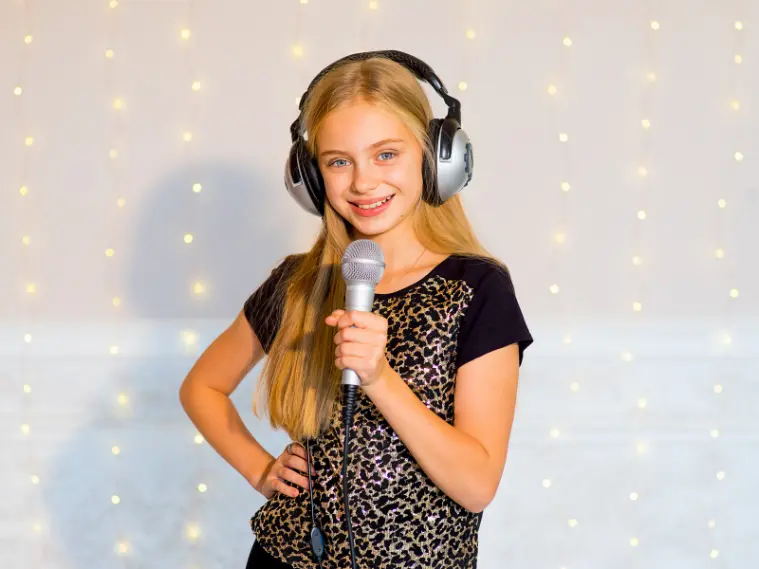
Performing music can help children develop confidence and communication skills. Sharing a song with family members or participating in a recital encourages students to celebrate their progress. At Learn the Arts, students have opportunities to perform in biannual concerts, giving them valuable performance experience in a supportive environment. Joining group piano classes today allows children to experience music alongside peers, building both confidence and motivation to continue learning.
When Should Kids Start Piano Lessons?
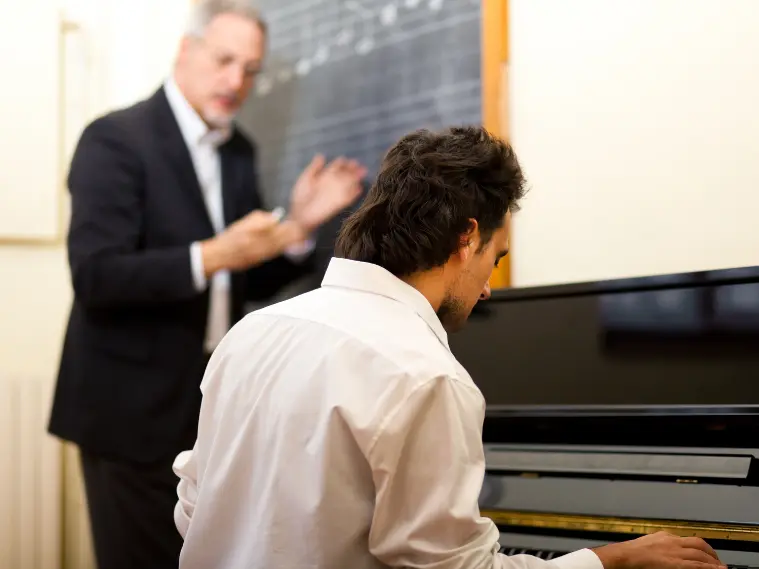
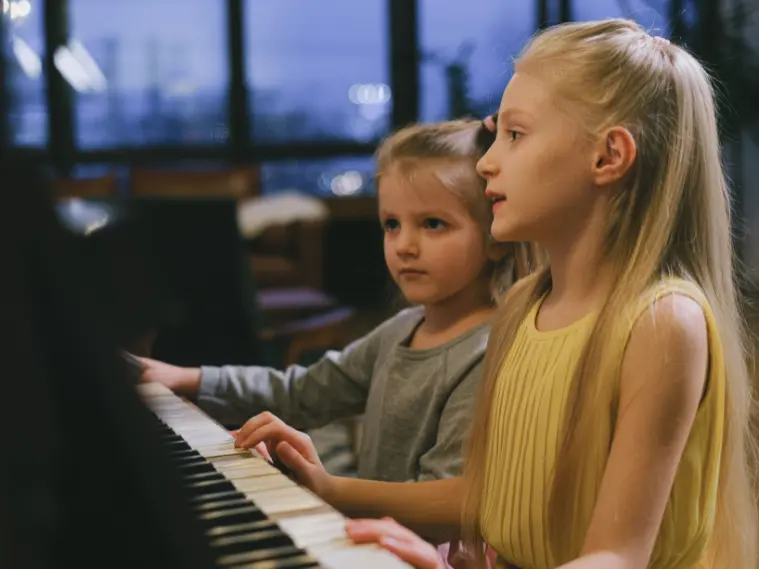
Parents often ask when their child should begin piano lessons. Many teachers recommend starting between ages five and seven because children usually have the coordination needed to play simple exercises. At this stage, students can follow instructions and stay focused for short periods of time. However, readiness and interest are often more important than age alone.
Signs Your Child Is Ready to Learn Piano
Children who enjoy music or experimenting with sounds often show early interest in piano. If a child can follow simple instructions and focus on a short activity, they are likely ready for lessons. Curiosity about musical instruments can also be a strong indicator of readiness. Starting with easy piano basic songs helps children build confidence and enjoy their first lessons in a supportive learning environment.
Choosing the Right Learning Pace
Every child learns differently, so lessons should match their comfort level and learning style. Some students enjoy structured practice routines, while others benefit from playful musical exploration. Teachers often adapt lessons to keep young learners engaged and motivated. A flexible pace helps students develop skills without feeling overwhelmed.
Benefits of Starting Piano Lessons Early
Early exposure to music can support cognitive development and listening skills. Learning piano encourages children to develop coordination, memory, and rhythm awareness. These benefits can also support academic learning and creative thinking. Starting early helps students build a strong musical foundation for future learning.
When It’s Okay to Start Later
Children who begin lessons later can still succeed and enjoy learning piano. Older beginners may have a stronger focus and a better understanding of instructions. They can often progress quickly once they start practicing regularly. With encouragement and consistent practice, students of many ages can enjoy piano lessons for kids.
What Kids Learn in Beginner Piano Lessons
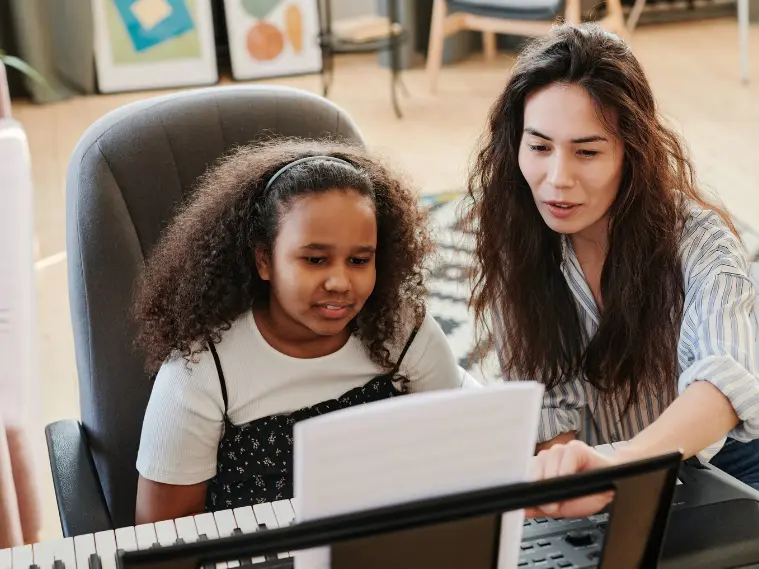
Understanding what happens during early piano lessons helps parents feel more prepared for the learning process. Beginner lessons introduce essential musical concepts while keeping activities engaging and enjoyable. Students gradually develop techniques, rhythm, and musical awareness through guided exercises. At Learn the Arts, many students follow a structured curriculum designed to guide beginners through progressive learning stages.
Learning the Piano Keyboard
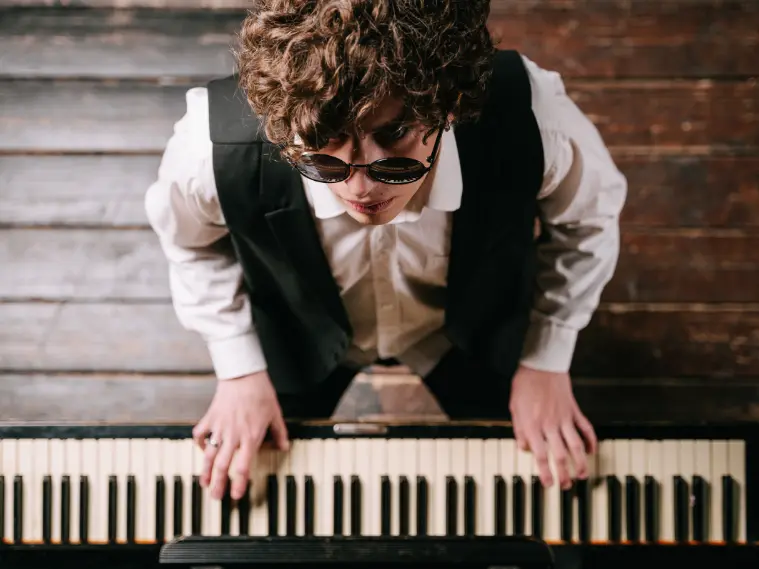
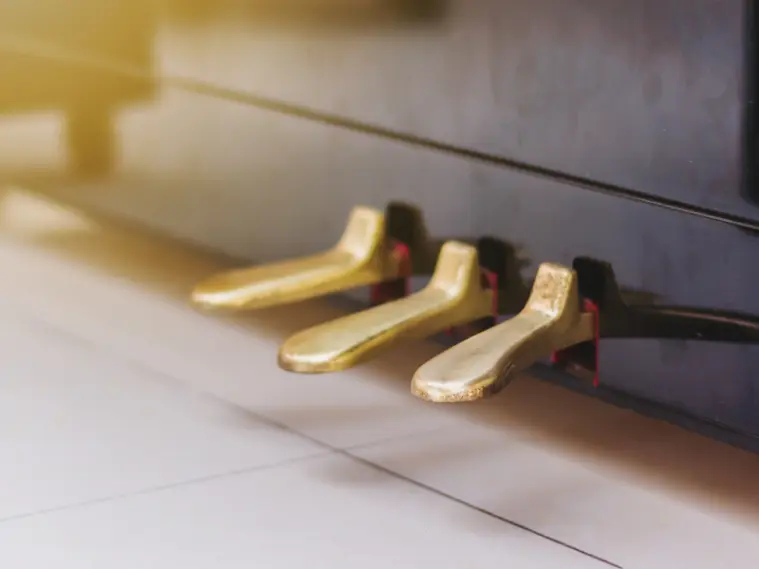
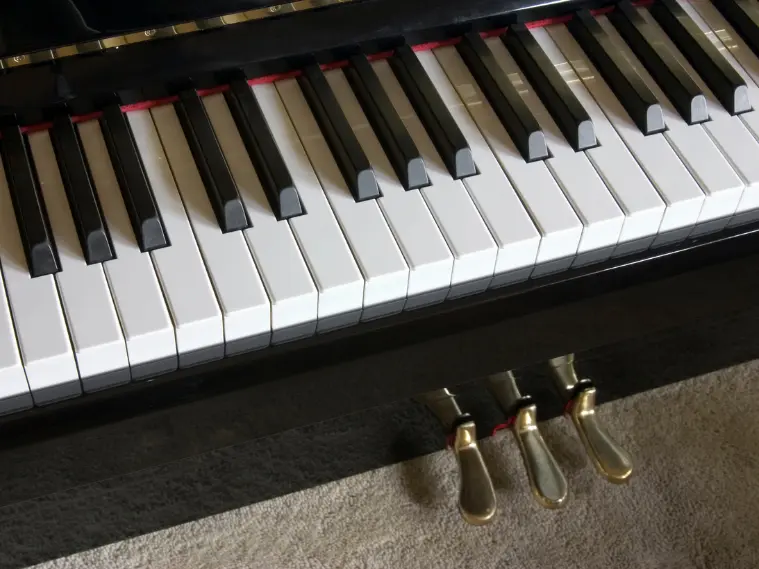
The piano keyboard features a repeating pattern of two black keys followed by three black keys. Teachers often use this pattern to help children locate important notes such as middle C. Recognizing these patterns helps beginners navigate the keyboard with confidence. As lessons progress, students also learn about the three pedals on piano and how they affect their sound.
Basic Rhythm and Note Reading
Rhythm and note reading are introduced gradually in beginner lessons. Students learn to count beats and recognize basic note values such as whole notes and quarter notes. These skills help children maintain steady timing while playing songs. Developing rhythm early makes it easier to learn more complex music later.
Developing Finger Coordination
Finger coordination is an important part of learning piano. Beginners practice exercises that strengthen finger movement and improve hand positioning. These exercises help students play melodies more smoothly over time. Consistent practice gradually builds the control needed for more advanced pieces.
Progress Tracking Through the Musical Ladder
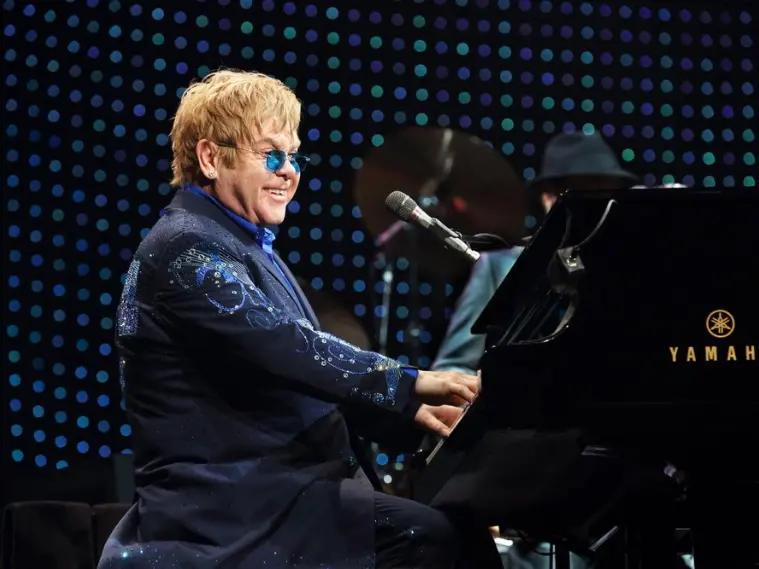
Many students stay motivated when they can see their progress clearly. At Learn the Arts, teachers use a Musical Ladder System to track improvement and celebrate milestones. Aspiring to reach the level of the greatest piano player in the world can inspire students as they recognize their growth and master new skills. Celebrating progress encourages continued motivation and enthusiasm for learning.
Choosing the Right Piano Lesson Format
Different lesson formats can support different learning styles. Some children benefit from one-on-one instruction, while others enjoy learning alongside peers. Music programs often provide flexible options to support individual learning needs. Parents can choose a structure that best supports their child’s development.
Private Piano Lessons
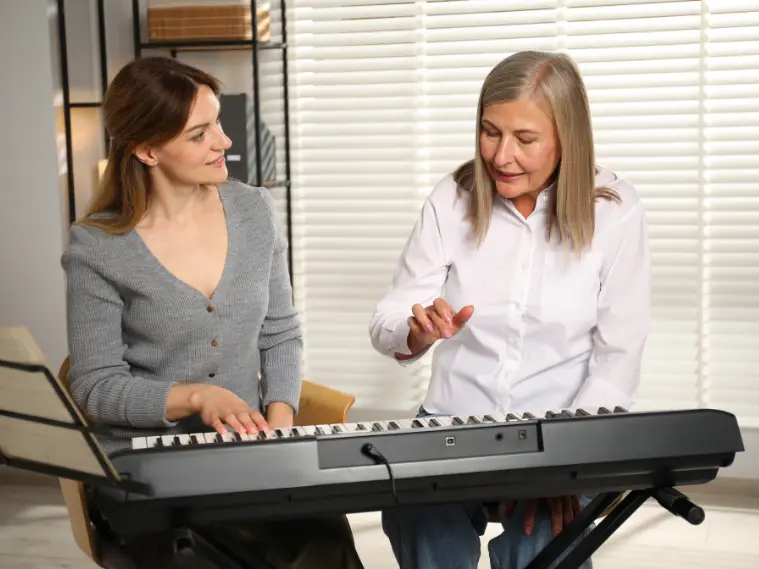
Private lessons allow teachers to focus entirely on one student’s progress. This format makes it easier to adjust lesson pacing and address individual challenges. Personalized instruction helps students build strong technique and confidence. Many beginners benefit from this focused approach.
Group Piano Classes
Group piano lessons allow children to learn alongside other students. This environment encourages social interaction and collaborative learning. Students often feel motivated when they see their peers making progress as well. Group classes can also make learning music more enjoyable and interactive.
Combining Group and Private Lessons
Some programs offer a combination of group and private lessons for balanced learning. Students receive personalized instruction while also participating in collaborative activities. This approach allows children to benefit from both structured guidance and social interaction. At Learn the Arts, many programs provide this group and private lesson combination to support different learning styles.
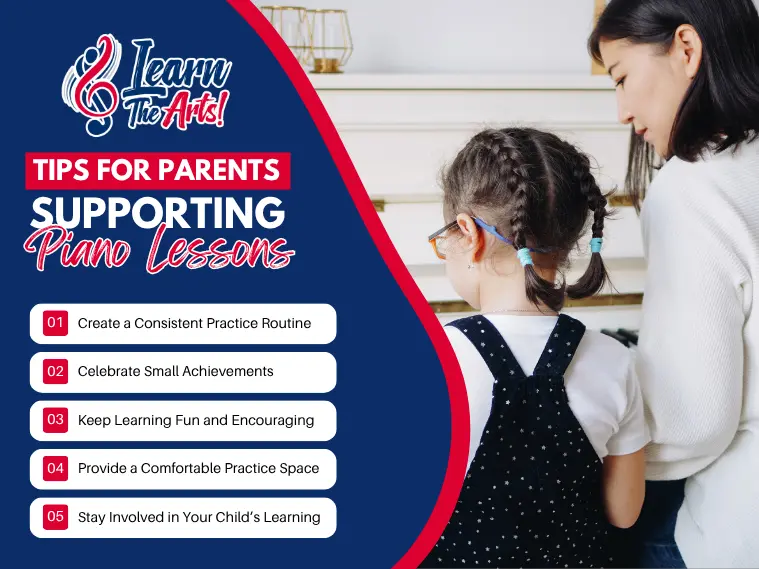
Tips for Parents Supporting Piano Lessons
Parents play an important role in helping children stay motivated during music lessons. Encouragement and support can make learning feel more enjoyable for young students. Positive habits at home often influence how quickly children develop their musical skills. With guidance and patience, parents can help children build confidence while learning piano.
1. Create a Consistent Practice Routine
Short daily practice sessions are usually more effective than long and irregular ones. A consistent routine helps children develop discipline and steady improvement. Even practicing for ten to fifteen minutes each day can make a noticeable difference. Repetition helps students strengthen their memory while learning new songs.
2. Celebrate Small Achievements
Learning music takes time, so celebrating small milestones can keep children motivated. Recognizing progress, such as finishing a song or mastering a scale, builds confidence. Positive feedback helps children feel proud of their efforts. These celebrations reinforce the joy of learning music.
3. Keep Learning Fun and Encouraging
Children are more likely to stay engaged when learning feels enjoyable. Playing familiar songs or experimenting with different sounds can make practice more interesting. Encouragement from parents creates a positive learning environment. A supportive atmosphere helps children remain excited about lessons.
4. Provide a Comfortable Practice Space
A quiet and comfortable practice area helps children focus during practice sessions. Keeping the instrument easily accessible encourages regular use. Proper lighting and seating can also make practice more enjoyable. A well-organized space supports consistent practice habits.
5. Stay Involved in Your Child’s Learning
Parents do not need musical training to support their child’s progress. Listening to practice sessions or asking about new songs shows encouragement and interest. This involvement helps children feel supported in their musical journey. Strong support at home often leads to greater motivation.
Wrapping Up
Learning piano can be a rewarding experience that supports both creativity and personal growth. Through piano lessons for kids, students develop discipline, coordination, and confidence while discovering the joy of music. These early experiences often inspire a lifelong appreciation for musical expression. With the right guidance, children can gradually develop strong musical skills while enjoying the learning process.
Learn the Arts provides structured piano programs, experienced instructors, and multiple studio locations to support young musicians. Their coaching-focused teaching approach helps students grow through encouragement rather than pressure. If you are considering music education for your child, exploring Learn the Arts piano programs can be a great first step toward a rewarding musical journey.
FAQs
What is the best age for piano lessons for kids?
Many teachers recommend starting piano lessons between the ages five and seven. At this age, children usually have enough coordination and focus to follow basic instructions. However, readiness and interest can vary from child to child.
How long should kids practice piano each day?
Young beginners typically benefit from practicing for about ten to twenty minutes each day. Short and consistent sessions are often more effective than long practice periods. As students improve, they may gradually increase their practice time.
Do kids need a piano at home to learn?
Having a piano or keyboard at home helps children practice regularly. Regular practice reinforces the skills they learn during lessons. Even a beginner keyboard can support early learning.
Are piano lessons difficult for children?
Piano lessons usually start with simple exercises and easy songs. Teachers gradually introduce new skills as students gain confidence. With encouragement and patience, most children adapt quickly.
Can kids learn piano without reading sheet music first?
Many teachers introduce music reading gradually during beginner lessons. Students often start by recognizing note patterns and finger numbers. This step-by-step method helps children build confidence while learning to play.